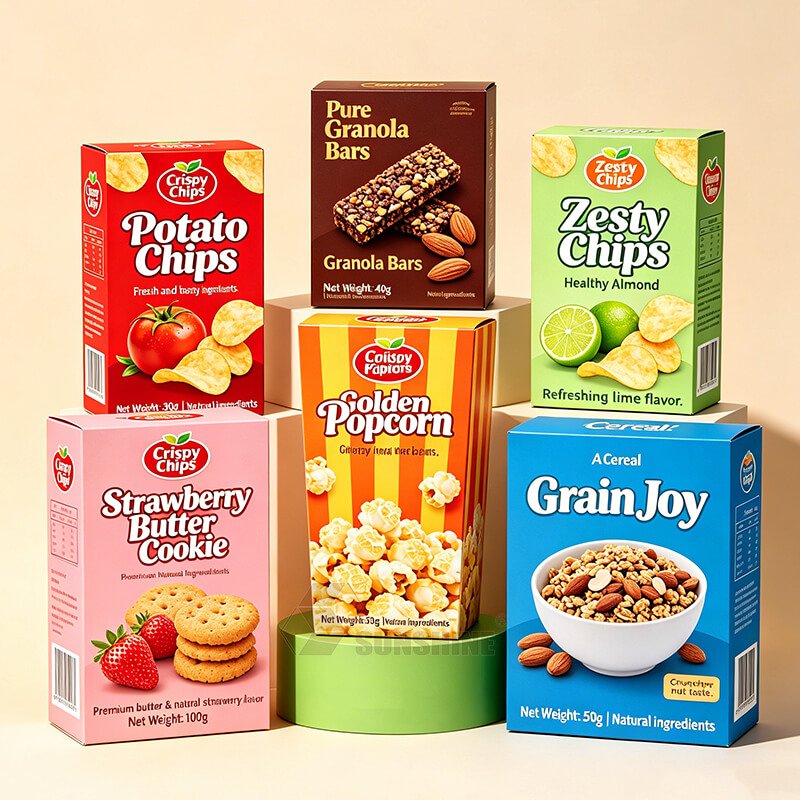
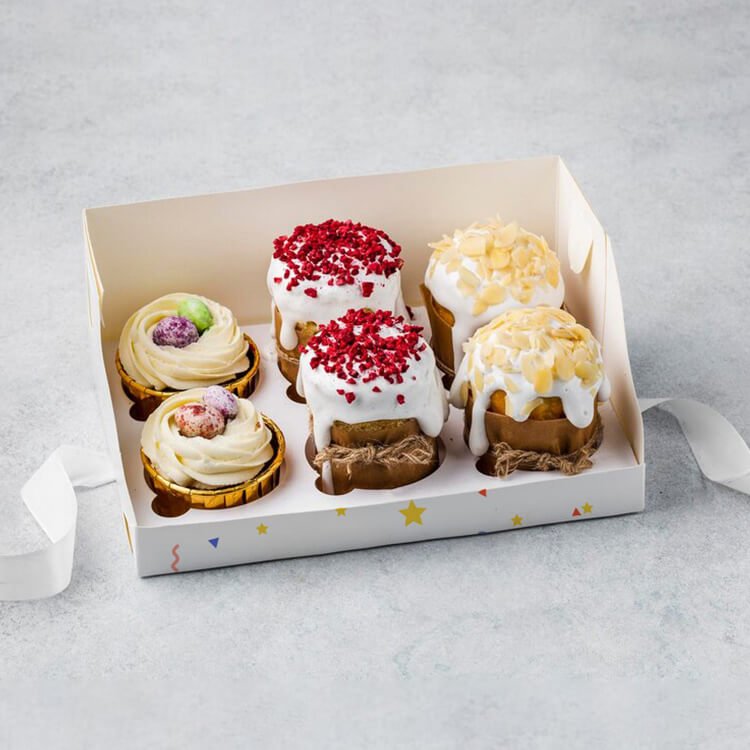
Choosing the right cardboard for food packaging is not just a material decision—it directly affects product safety, shelf life, branding, and customer experience. Whether you’re packaging snacks, frozen meals, bakery products, or ready-to-eat foods, the type of cardboard you use will determine how well your packaging performs in real-world conditions.
For B2B food brands, private label manufacturers, and packaging buyers, understanding the differences between cardboard types helps you avoid common issues like moisture damage, weak structure, poor printing results, or food safety concerns.
This guide breaks down the most commonly used food packaging cardboard materials, their strengths, and the best applications for each.
Why Cardboard Choice Matters in Food Packaging
Cardboard is more than just a box material. It plays several critical roles:
- Protects food from physical damage
- Acts as a barrier against moisture, grease, and oxygen
- Supports printing and branding quality
- Maintains structure during transport and retail display
- Influences customer perception of quality and freshness
A well-chosen cardboard can make a simple product feel premium, while the wrong one can lead to product damage or poor shelf performance.
Main Types of Cardboard Used for Food Packaging
Different food products require different levels of strength, coating, and surface finish. Below are the most commonly used cardboard types in the food packaging industry.
SBS (Solid Bleached Sulfate) – Premium Food Packaging Board
SBS is one of the highest-quality paperboards used in food packaging.
Best For:
- Chocolate boxes
- Snack packaging
- Bakery boxes
- Frozen food cartons
- Premium retail packaging
Key Features:
- Bright white, smooth surface
- Excellent print quality
- Strong and consistent structure
- Ideal for high-end branding and graphics
Why Brands Choose It:
SBS is often used when appearance matters. It delivers sharp, vibrant printing results, making it a favorite for retail-ready food packaging.
FBB (Folding Boxboard) – Lightweight and Cost-Effective Option
FBB is widely used in food packaging due to its balance of cost and performance.
Best For:
- Cereal boxes
- Snack bars
- Dry food packaging
- Bakery products
- Everyday retail packaging
Key Features:
- Lightweight structure
- Good stiffness
- Lower cost than SBS
- Often coated for moisture resistance
Why Brands Choose It:
FBB is a practical choice for high-volume food packaging where cost efficiency and decent print quality are both important.
Kraft Board – Eco-Friendly Food Packaging Material
Kraft cardboard is made from unbleached pulp and has a natural brown appearance.
Best For:
- Organic food brands
- Bakery packaging
- Snack boxes
- Eco-friendly packaging lines
Key Features:
- Strong and durable
- Natural, rustic appearance
- Highly recyclable
- Good tear resistance
Important Note:
Because of its brown surface, full-color printing on Kraft may appear muted unless a white ink underlayer or coating is applied.
Corrugated Cardboard – Heavy-Duty Food Transport Packaging
Corrugated cardboard is stronger and thicker than folding cartons, typically used for shipping rather than direct retail display.
Best For:
- Food delivery boxes
- Frozen food shipping cartons
- Bulk food transport
- Subscription food boxes
Key Features:
- High stacking strength
- Excellent protection during transport
- Available in single-wall or double-wall options
- Good insulation properties
Why Brands Choose It:
It is ideal for logistics and cold-chain distribution, especially for frozen or heavy food products.
Coated Cardboard (PE, PLA, or Aqueous Coated Board)
Coated cardboard is essential when food safety and moisture resistance are required.
Best For:
- Frozen food packaging
- Greasy foods (fried snacks, bakery items)
- Ready-to-eat meals
- Refrigerated products
Types of Coatings:
- PE coating: Strong moisture barrier
- PLA coating: Compostable eco-friendly option
- Aqueous coating: Water-based, more recyclable-friendly
Why It Matters:
Coating prevents:
- Soggy packaging
- Oil stains
- Structural collapse in cold or humid environments
Laminated Cardboard – High Barrier Protection Packaging
Laminated cardboard combines paperboard with film layers such as foil or plastic.
Best For:
- Chocolate packaging
- Frozen meals
- Premium snacks
- Long shelf-life products
Key Features:
- Strong barrier against oxygen and moisture
- Extends product shelf life
- Premium appearance
- Suitable for harsh storage conditions
Trade-Off:
Recycling can be more complex depending on the lamination type.
How to Choose the Right Cardboard for Food Packaging
Here’s a simple way to think about selection:
If you want premium retail branding:
→ Choose SBS cardboard
If you need cost efficiency at scale:
→ Choose FBB cardboard
If you want eco-friendly positioning:
→ Choose Kraft cardboard
If you need shipping strength:
→ Choose corrugated cardboard
If your product is frozen or oily:
→ Choose coated or laminated cardboard
Key Factors You Should Always Consider
Before finalizing your packaging material, evaluate:
1. Food Type
Dry, frozen, oily, or liquid foods all require different protection levels.
2. Storage Environment
Freezer, refrigeration, or room temperature affects material performance.
3. Transportation Distance
Long supply chains require stronger and more moisture-resistant boards.
4. Branding Requirements
Premium brands usually prioritize smooth, high-print surfaces like SBS.
5. Sustainability Goals
Many buyers now prefer recyclable or compostable packaging materials.
There is no single “best” cardboard for food packaging—the right choice always depends on your product, positioning, and supply chain needs.
If you’re launching a premium retail snack, SBS might be the best fit. If you’re scaling a high-volume cereal brand, FBB is often more practical. For eco-focused brands, Kraft paperboard is a strong choice. And for frozen or shipped food products, corrugated or coated boards are essential.
The most important thing is to match the material performance with real usage conditions, not just appearance on a design file.
In real production, we often see brands save significant cost and avoid packaging failures simply by choosing the right cardboard early in the development stage. That’s why material selection is not just a technical step—it’s a business decision.