Walk into any confectionery aisle and you’ll see the same problem
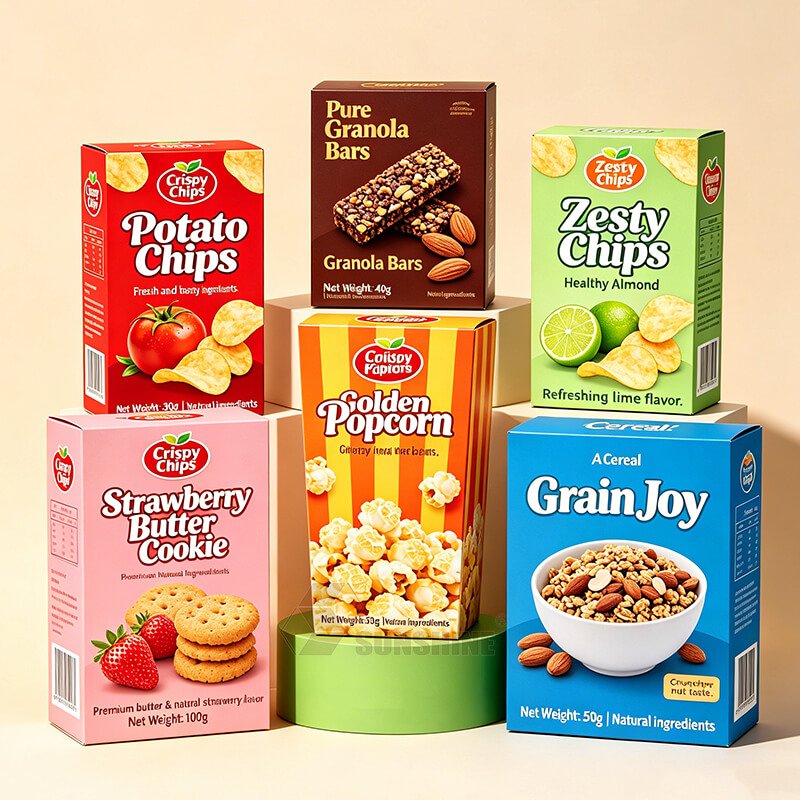
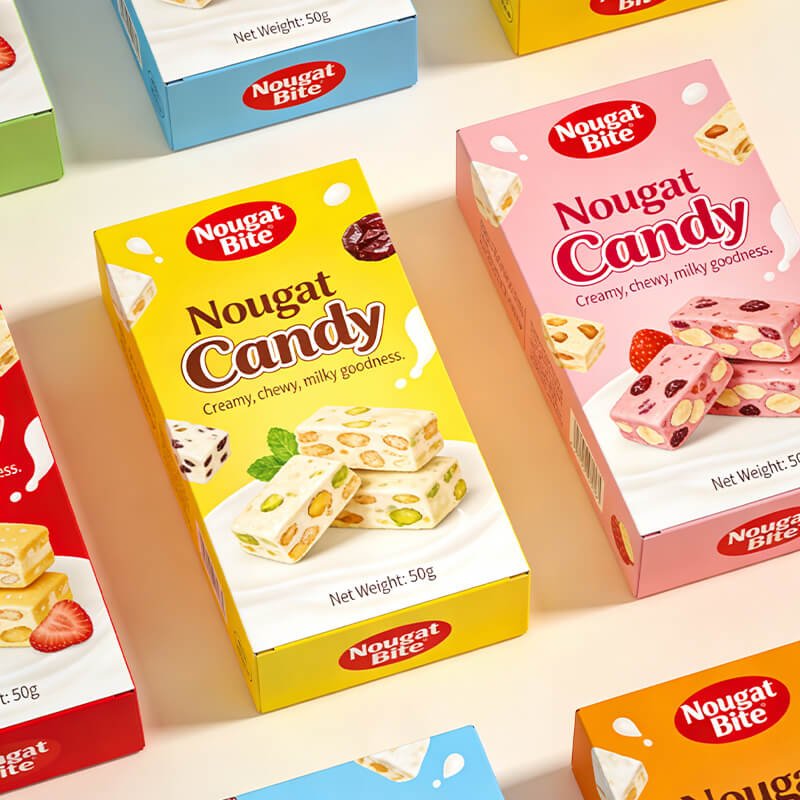
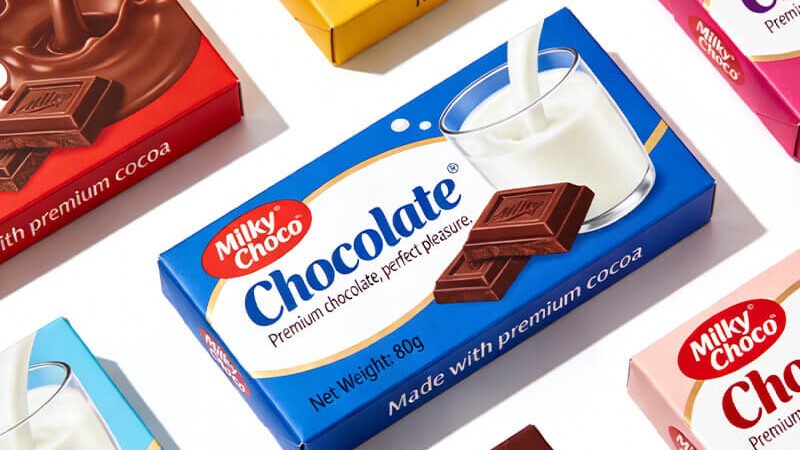
Walk into a supermarket in Europe or North America and spend a few minutes in the chocolate and candy aisle. At first glance, everything looks similar—rows of colorful boxes, glossy finishes, seasonal gift packs, and private label products competing for attention.
But when you look closer, something becomes obvious.
Some products sell consistently, while others sit on the shelf much longer—even when the price and ingredients are almost the same.
In most cases, it’s not the recipe that makes the difference.
It’s the packaging.
Over the years working with confectionery brands, private label buyers, and packaging distributors, one question comes up repeatedly:
“What packaging actually works best for chocolate and candy products in real retail conditions?”
The answer is rarely a single structure or material. It depends on how the product behaves, how it is transported, and how it is expected to perform on the shelf.
Chocolate and candy are not the same packaging problem
Although they are often grouped together under “confectionery packaging,” chocolate and candy behave very differently once they leave the factory.
Chocolate packaging challenges
Chocolate is sensitive in ways that are not always visible at the beginning of a project:
- Temperature fluctuations during transport
- Humidity exposure in warehouses
- Odor absorption from surrounding products
- Surface blooming caused by heat or moisture
- Print damage during stacking and shipping
Chocolate packaging must do more than look premium—it must stabilize the product throughout its entire supply chain journey.
Candy packaging challenges
Candy products present a different set of issues:
- Moisture absorption affecting texture
- Product sticking or deformation in hot climates
- Mixed product separation inside the box
- Impact resistance during transport
- Shelf visibility in competitive retail environments
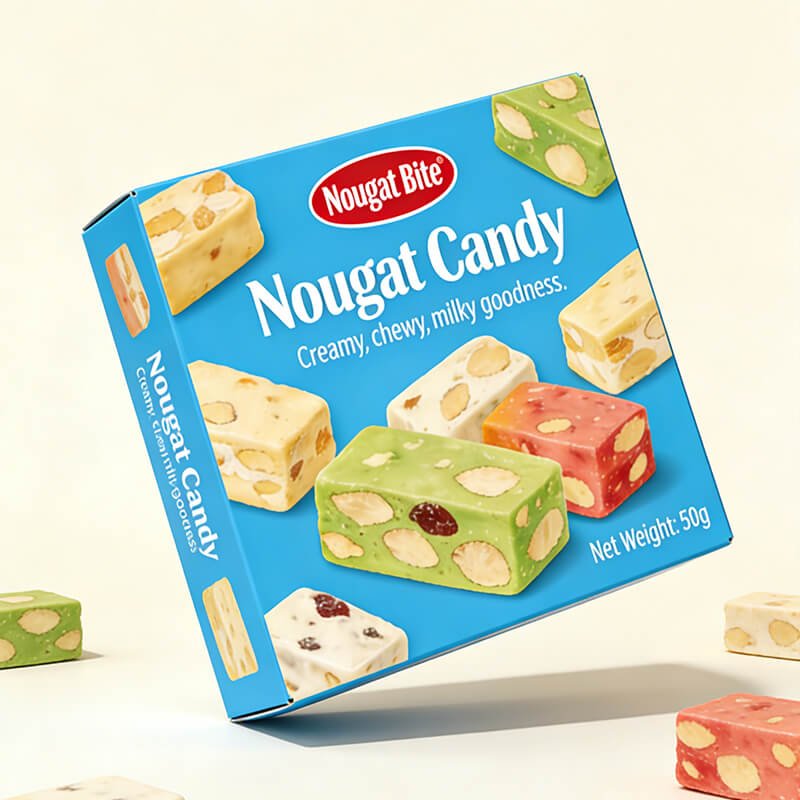
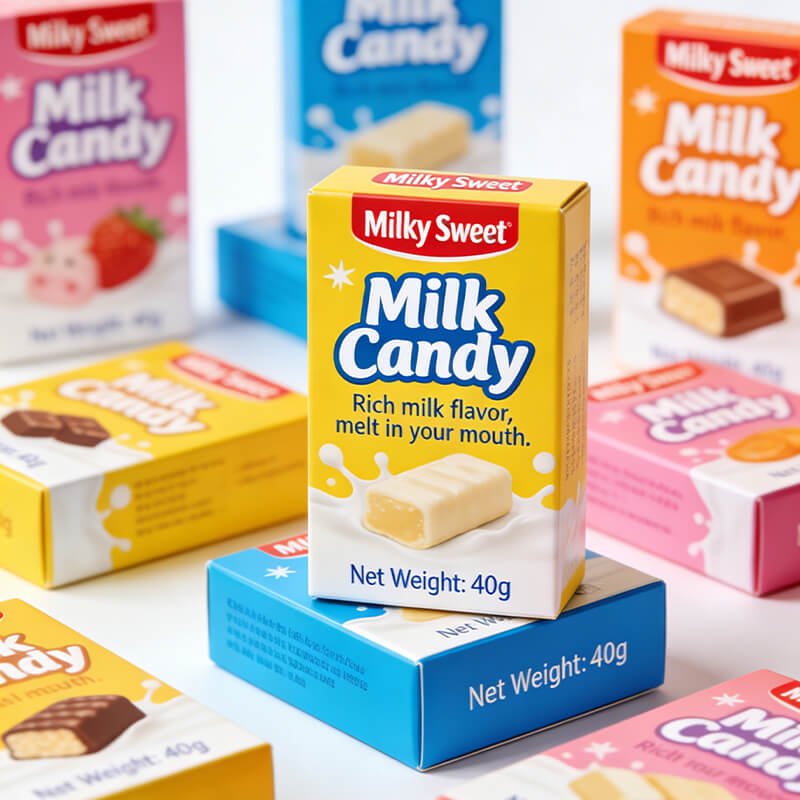
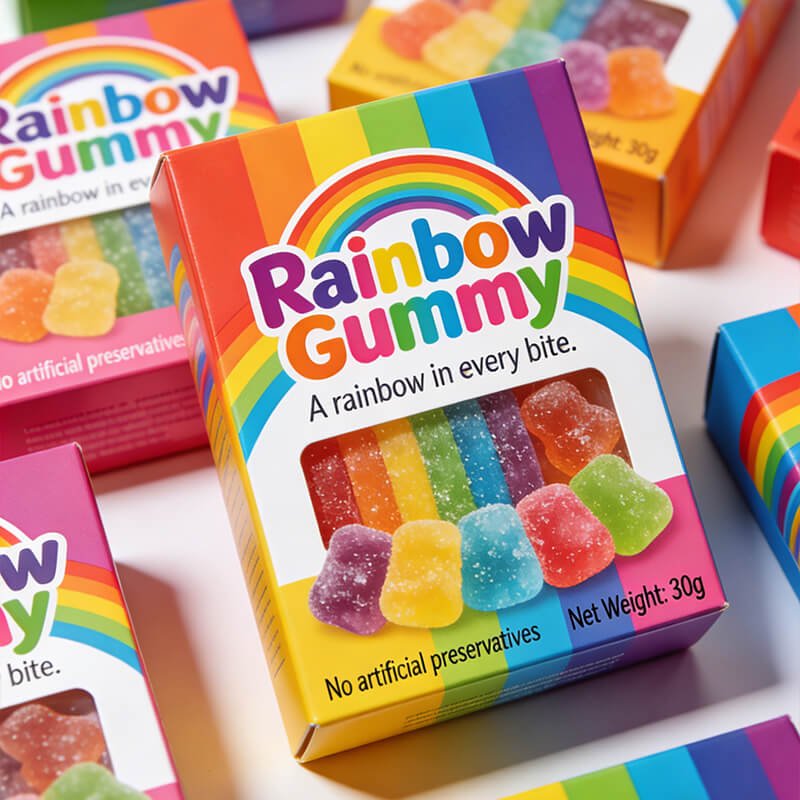
Gummies, hard candy, and mixed candy all behave differently, even if the outer packaging looks the same.
How confectionery packaging decisions are actually made
In real procurement projects—especially for custom chocolate packaging boxes wholesale or confectionery packaging manufacturer sourcing—buyers rarely start with design.
They start with practical questions:
- Will this survive export shipping?
- Can it run on automated packing lines?
- Does it reduce pallet damage?
- Is it cost-efficient at scale?
- Does it meet supermarket requirements?
Packaging decisions are risk decisions, not design decisions.
The three core decisions in chocolate and candy packaging
1. Structure (how the box performs physically)
Common structures include:
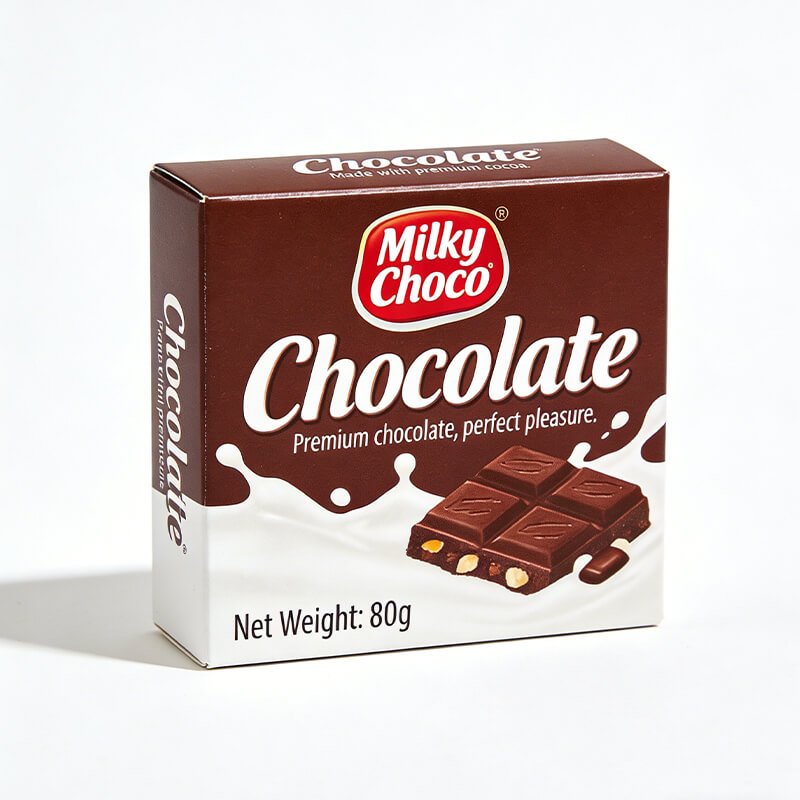
- Folding carton boxes
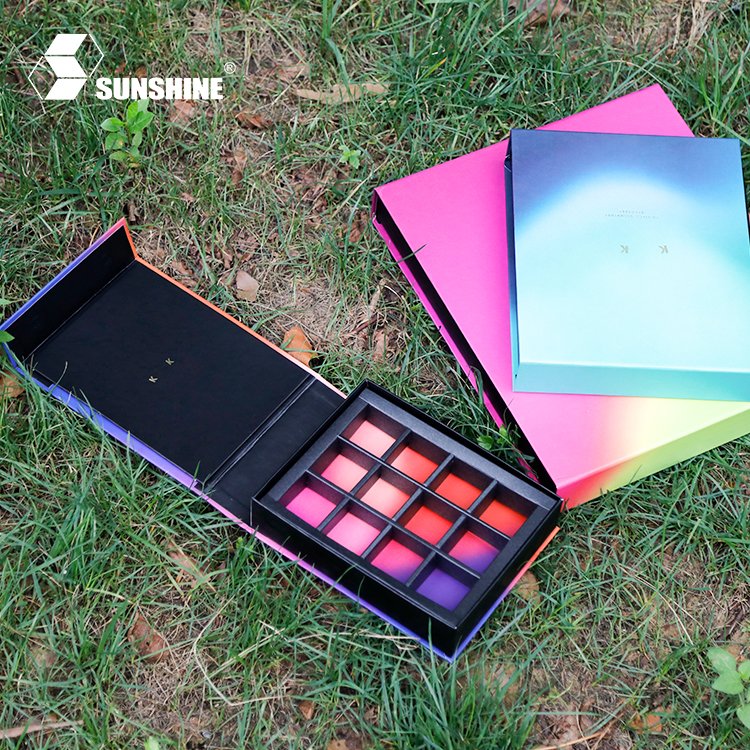
- Rigid gift boxes
- Drawer boxes
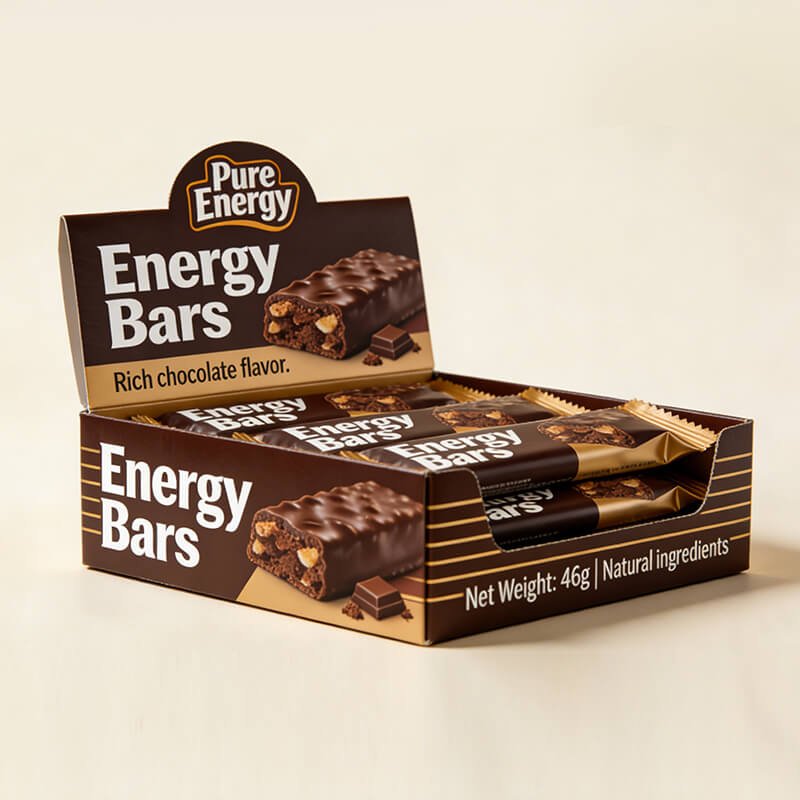
- Retail display packaging
Structure determines how packaging performs under pressure, during transport, and on retail shelves.
2. Material (how the product is protected)
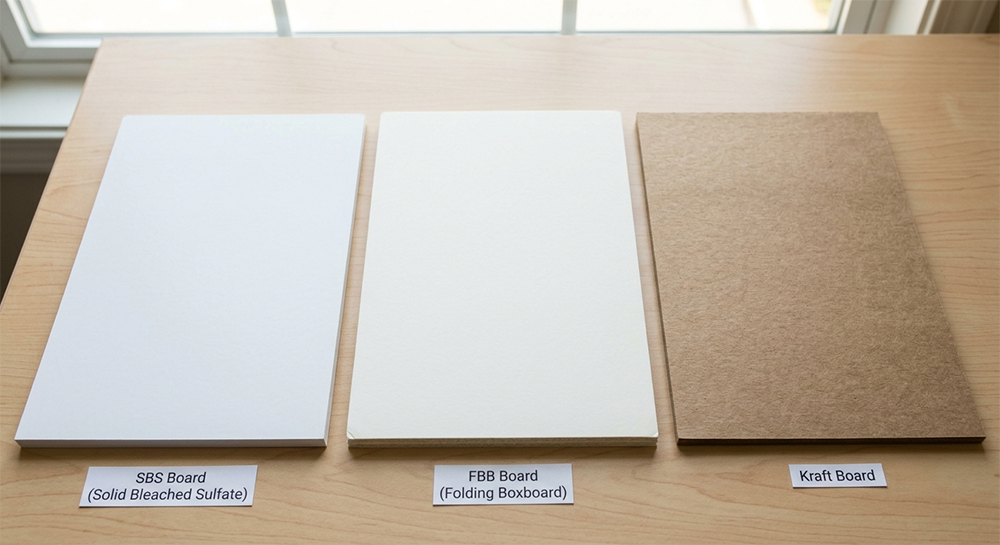
SBS paperboard
Solid Bleached Sulfate (SBS)
Used for premium chocolate packaging with strong print quality and clean visual presentation.
FBB paperboard
Folding Boxboard (FBB)
Most widely used material for retail chocolate and candy packaging due to its balance of cost and stiffness.
Kraft paperboard
Kraft Paperboard
Used for organic, natural, or eco-positioned confectionery brands.
3. Market positioning (how the product is perceived)
Packaging usually falls into three categories:
- Premium gifting
- Retail mass market
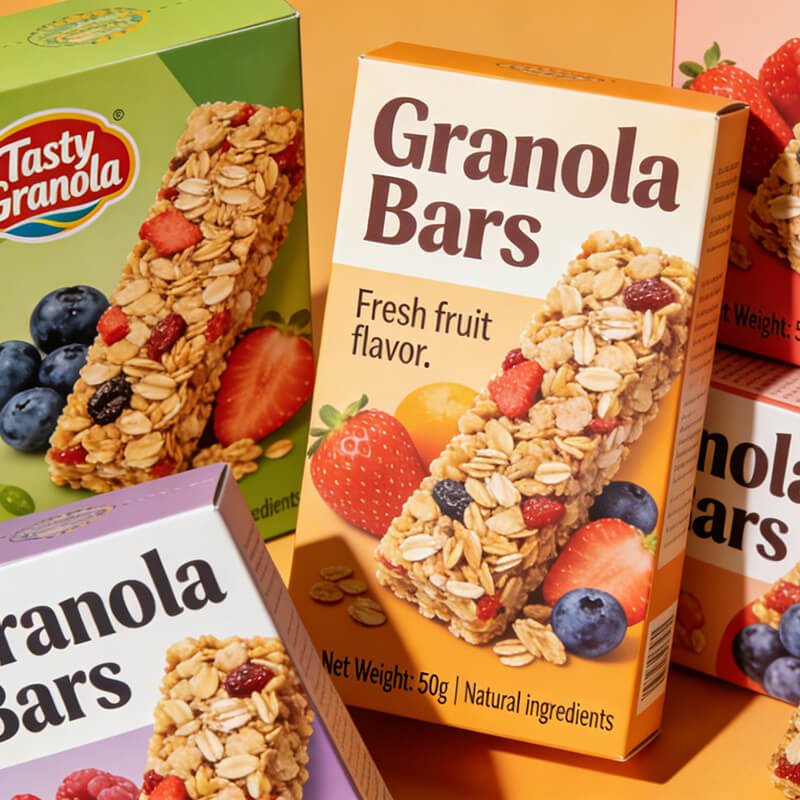
- Health / functional confectionery
Each requires different trade-offs between cost, structure, and finishing.
Why packaging influences buying decisions more than brands expect
In confectionery retail, purchasing decisions are often made in seconds.
Packaging is usually the first interaction between product and consumer.
In supermarket environments, retail-ready candy packaging boxes often perform better simply because they improve shelf visibility and reduce confusion at the point of purchase.
Simple, clear packaging often outperforms over-designed structures.
Material selection: where most packaging projects are decided
Once structure is defined, material becomes the most important decision.
SBS (premium packaging)
Best for luxury chocolate boxes and gift packaging.
FBB (standard retail packaging)
Best for mass-market chocolate and candy products.
Kraft (sustainable positioning)
Best for organic, natural, or eco-focused brands.
Material choice affects not only appearance but also export performance, humidity resistance, and retail durability.
Paper thickness is a performance decision, not a detail
Typical industry ranges:
- Chocolate bars: 300–350gsm
- Candy cartons: 300–400gsm
- Premium gift boxes: 350–450gsm + greyboard
- Display boxes: E-flute corrugated
In real projects, increasing thickness does not always solve performance issues—moisture and structure often matter more.
Printing and finishing in real production
Common techniques:
- Offset printing
- Matte / gloss lamination
- Foil stamping
- Spot UV
- Embossing / debossing
Finishing must balance visual impact with production durability. Over-finishing often increases cost without improving retail performance.
Packaging requirements vary by market
United States
- FDA food-contact compliance
- Nutrition Facts + barcode + labeling
- Strong retail shelf requirements
European Union
- EU food-contact compliance
- FSC certification preference
- Recyclable packaging requirements
- Low-migration inks
United Kingdom
- Plastic reduction focus
- Recyclable structures
- Seasonal premium packaging demand
Japan
- Extremely high precision requirements
- Perfect folding and print consistency
- Strong gift packaging culture
Middle East
- Heat-resistant packaging needs
- Premium luxury finishes
- Long-distance logistics requirements
Sustainability is now a global requirement
Buyers increasingly ask:
- Is it recyclable?
- Is it FSC certified?
- Can plastic be removed?
- Are water-based coatings available?
Sustainability is no longer a “bonus”—it is becoming baseline procurement criteria.
Common mistakes in packaging projects
1. Designing before confirming product specs
Weight and filling method are often ignored early.
2. Ignoring climate conditions
Humidity and temperature affect real-world performance.
3. Over-investing in finishing
Structure failure cannot be fixed with decoration.
4. Using one design for all markets
Export markets often require different structural logic.
What buyers ask before placing orders
- MOQ for custom chocolate packaging boxes
- Sample availability
- Pantone color matching
- Export durability testing
- FSC certification availability
- Automated line compatibility
- Cost optimization options
Cost factors in confectionery packaging
Main cost drivers:
- Material type
- Structural complexity
- Finishing requirements
- Order volume
Small structural adjustments often reduce cost more effectively than supplier changes.
How experienced buyers match products to structures
Chocolate:
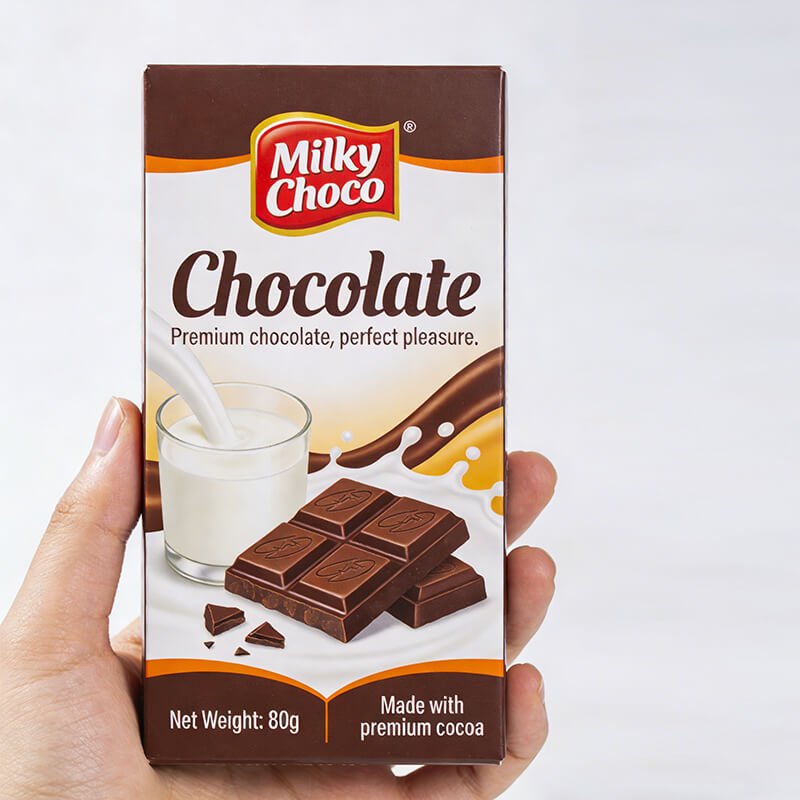
- Bars → folding cartons
- Premium → rigid boxes
- Seasonal → drawer boxes

Candy:
- Gummies → folding cartons
- Hard candy → auto-bottom boxes
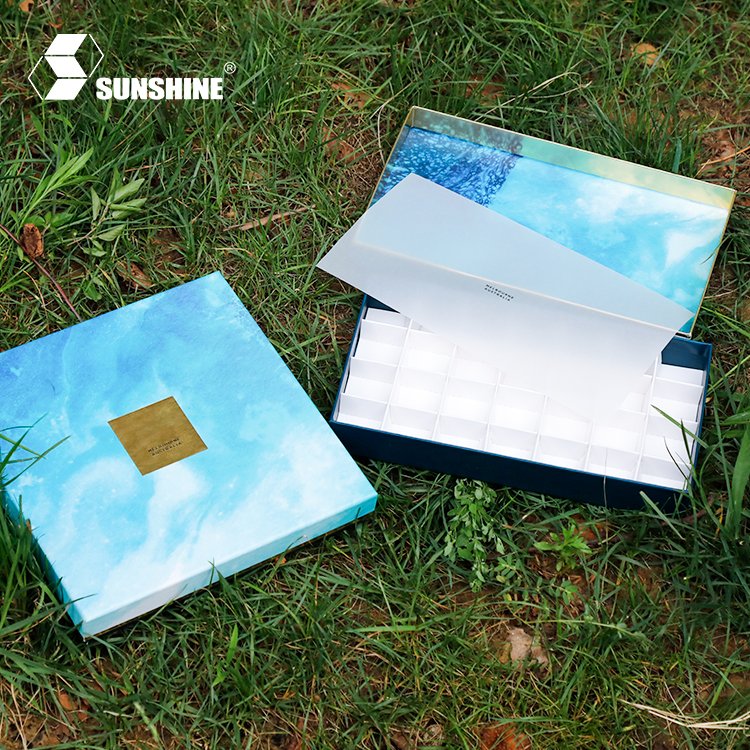
- Mixed candy → compartment boxes
Retail:
- Counter displays → display packaging
- Supermarkets → shelf-ready cartons
Frequently asked questions (FAQ)
What is the best packaging for chocolate products?
Folding cartons for retail, rigid boxes for premium gifting.
What is the most common material for candy packaging?
FBB and SBS are the most widely used.
Can chocolate packaging be recycled?
Yes, if it avoids non-recyclable laminations.
What is the MOQ for custom chocolate packaging boxes?
Typically 20,000 units depending on structure.
Do food packaging boxes require certification?
Yes, depending on the market (FDA, EU, etc.).
There is no single “best” packaging for chocolate and candy.
There is only the right balance between product protection, retail performance, and cost efficiency.
The most successful packaging projects are usually not the most complex ones—they are the ones where structure, material, and market requirements are aligned early.
Once that alignment is clear, everything else becomes easier: design, printing, and even branding decisions.
Good packaging doesn’t just protect a product.
It helps it sell.