When producing, storing, or shipping food products in the U.S., your packaging materials must meet FDA requirements for food contact. Using non-compliant materials can lead to product recalls, fines, or damage to brand reputation.
But what exactly qualifies as FDA-approved packaging materials? And how do you ensure your paper, plastic, or other packaging is fully compliant?
This guide provides an overview of FDA-approved packaging materials for food contact, their applications, and practical tips for food brands and packaging suppliers.
Understanding FDA Regulations for Food Contact Materials
The U.S. Food and Drug Administration (FDA) regulates food contact materials under Title 21 of the Code of Federal Regulations (CFR).
- 21 CFR Part 174–178: Covers indirect and direct food additives used in packaging, including paper, coatings, adhesives, and plastics.
- 21 CFR 177: Lists specific materials approved for food contact, such as polyethylene, polypropylene, polystyrene, and paperboard coatings.
- FDA Compliance Requirements: Manufacturers must provide a Declaration of Compliance (DoC) for materials intended for direct or indirect food contact.
In short, any packaging material that touches food in the U.S. market must be FDA compliant, whether it’s a cardboard box, snack wrapper, or frozen food tray.
FDA Approved Plastic Materials
Plastics are among the most common food contact materials, and the FDA provides clear guidance for acceptable polymers.
Common FDA-approved plastics include:
- Polyethylene (PE): Widely used for bags, liners, and coatings
- Polypropylene (PP): Used for containers, cups, and food trays
- Polystyrene (PS): Common for disposable trays, cups, and clamshells
- Polyethylene terephthalate (PET): Bottles and transparent containers
- Polyvinyl chloride (PVC): Limited use, primarily in shrink wraps or cling films
- Ethylene vinyl acetate (EVA): Food wrap and flexible films
Important considerations:
- FDA approval depends on the type of food, temperature, and duration of contact
- Additives such as colorants, plasticizers, or coatings must also be FDA-approved
- Migration tests are recommended for high-fat or acidic foods to ensure safety
FDA Approved Paper & Paperboard Materials
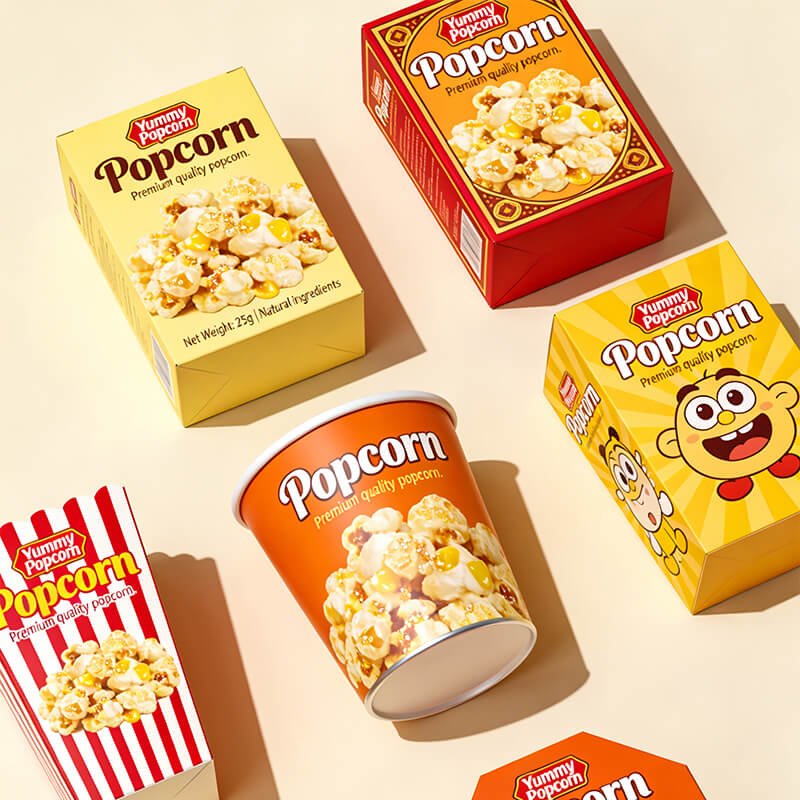
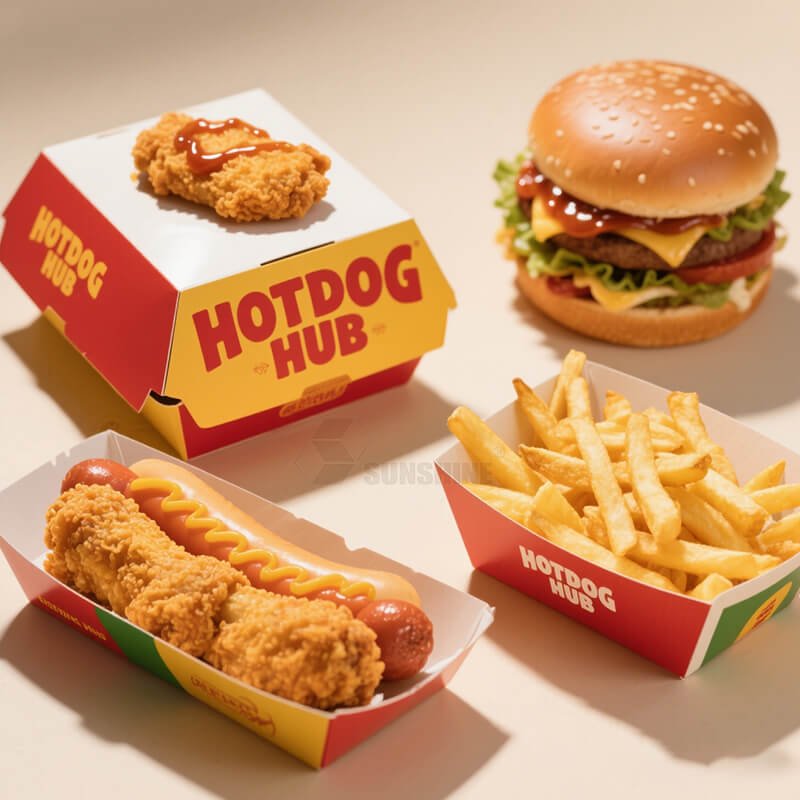
Paper and paperboard are commonly used for bakery boxes, pizza boxes, snack packaging, and takeaway food trays.
FDA-approved paper materials include:
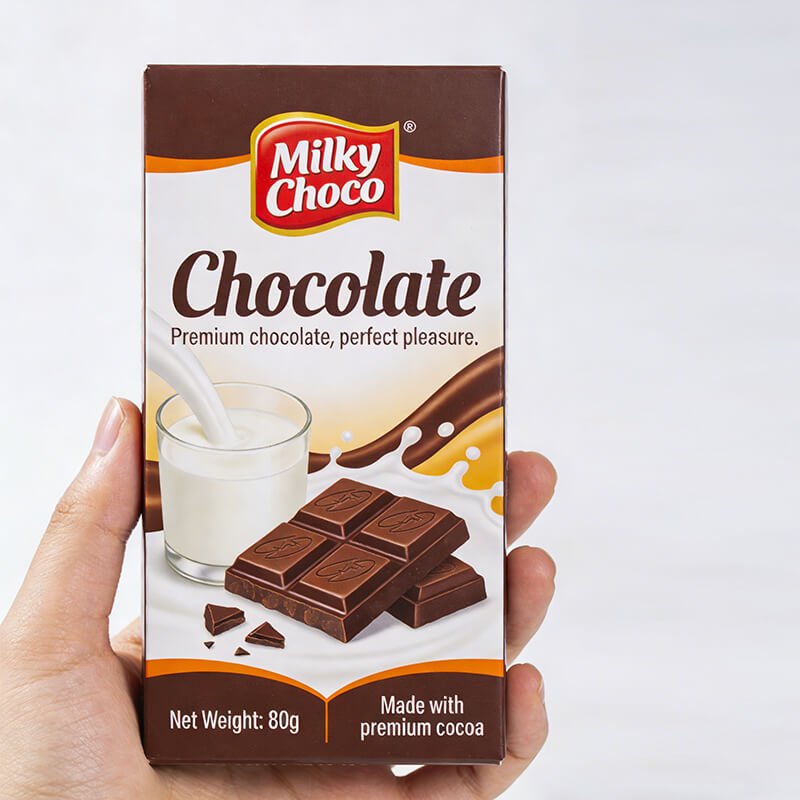
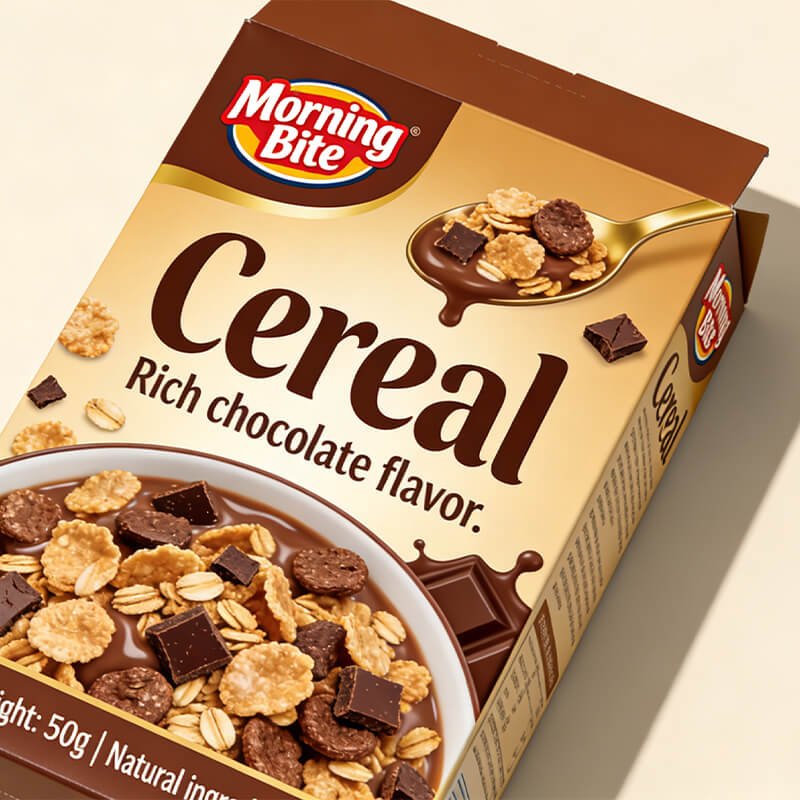
- Uncoated paperboard for dry foods (cereal boxes, cookies)
- Coated paperboard with food-safe coatings like polyethylene (PE) or PLA for moisture or grease resistance
- Greaseproof or waxed paper for fried or oily foods
Tips for compliance:
- Check if the coating, ink, or adhesive is specifically FDA-approved for direct food contact
- Ensure migration levels for heavy metals, mineral oils, or additives are within FDA limits
- Keep documentation and DoC ready for buyers or inspections
FDA Approved Metals
Metallic packaging is also common for canned foods or foil wraps.
FDA-approved metals include:
- Tin-coated steel: Common for canned goods
- Aluminum: Foil wraps, trays, or cans
- Stainless steel: Used in food processing and reusable containers
Important points:
- Surface treatments, coatings, or lacquers must be FDA-approved
- Metals must not react with acidic or high-salt foods beyond FDA limits

Glass and Ceramic Materials
Glass and ceramics are naturally inert and widely FDA-approved for food contact.
Key points:
- Glass jars, bottles, and containers are acceptable for almost all foods
- Ceramic glazes must be lead- and cadmium-free or within FDA migration limits
Other Considerations for FDA Compliance
Beyond material type, FDA approval involves several other considerations:
- Inks and Printing: Only food-contact-approved inks or indirect food contact inks can be used
- Adhesives and Laminates: Must be FDA compliant
- Temperature and Duration: Hot-fill, frozen, or microwaveable packaging may have different compliance requirements
- Documentation: Always keep the Declaration of Compliance (DoC) for materials, coatings, and additives
Optional Certifications to Increase Buyer Confidence
While FDA approval is mandatory in the U.S., additional certifications help B2B customers and retailers trust your products:
- BRC Packaging Standard – food safety and hygiene
- ISO 22000 / FSSC 22000 – food safety management
- FSC / PEFC – sustainability and responsible sourcing
- Compostable Certification EN 13432 – for eco-friendly packaging
These certifications are not required by the FDA, but they make your packaging more appealing to large retailers and eco-conscious brands.
When selecting FDA approved packaging materials for food contact, always consider:
- Material type – plastic, paper, metal, glass, ceramic
- Food type and storage conditions – dry, fatty, acidic, frozen, hot
- Additives – inks, coatings, adhesives
- Documentation – Declaration of Compliance (DoC) and migration tests
By choosing the right FDA-approved materials, food brands and packaging suppliers can:
- Ensure legal compliance in the U.S.
- Reduce risk of recalls or fines
- Build trust with retailers and consumers
- Improve B2B conversion and streamline procurement decisions