Why Paperboard Thickness Matters for Cereal Box Packaging
When developing cereal box packaging, one detail that many food brands initially overlook is paperboard thickness.
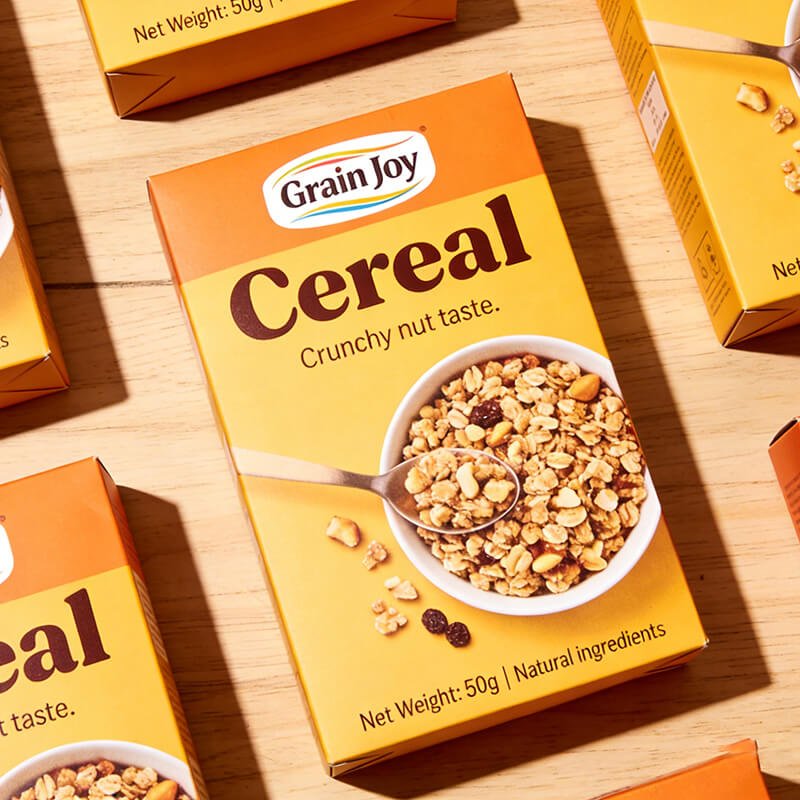
At first glance, all cereal boxes might look similar. But if you’ve ever compared different brands, you may notice that some boxes feel sturdy and premium, while others feel thin and flexible.
That difference largely comes down to paperboard thickness and material quality.
Choosing the right paperboard thickness for cereal boxes is important because it affects:
- Box strength and durability
- Shelf appearance in supermarkets
- Printing quality and branding
- Shipping protection
- Overall packaging cost
One cereal startup founder once shared:
“Our first packaging run looked great visually, but the boxes felt too soft. After adjusting the board thickness slightly, the packaging instantly felt more premium.”
This is why selecting the right thickness is a key step when designing custom cereal box packaging.
Typical Paperboard Thickness for Cereal Boxes
Most cereal box packaging is made from paperboard between 18pt and 24pt thickness.
To make this easier to understand:
| Paperboard Thickness | Common Use |
|---|---|
| 18pt – 20pt | Light cereal products, economy brands |
| 20pt – 22pt | Standard retail cereal boxes |
| 22pt – 24pt | Premium cereal brands or larger boxes |
These thickness levels offer a balance between structural strength and cost efficiency.
For most mainstream cereal brands sold in supermarkets, 20pt to 22pt paperboard is the most commonly used range.
What Type of Paperboard Is Used for Cereal Boxes?
Beyond thickness, the type of paperboard also affects performance.
Common materials for cereal box packaging include:
Solid Bleached Sulfate (SBS)
SBS is one of the most widely used materials for cereal packaging because it offers:
- A smooth surface for high-quality printing
- Strong structure and stiffness
- Food-safe properties
This makes it ideal for brands that prioritize vivid graphics and clean branding.
Recycled Paperboard (CCNB)
Some cereal brands use coated recycled board for sustainability reasons.
Benefits include:
- Lower material cost
- Eco-friendly perception
- Acceptable structural strength
However, recycled board often requires additional coatings to achieve the same printing quality as SBS.
Kraft Paperboard
Kraft paperboard is sometimes used by organic or natural cereal brands looking for a rustic appearance.
It provides:
- Natural, eco-friendly aesthetics
- Good durability
- Strong brand storytelling for sustainable products
Factors That Influence Paperboard Thickness Choice
Different cereal brands choose different paperboard thickness for cereal boxes depending on several factors.
Product Weight
Heavier cereal products require stronger packaging.
For example:
- Granola or protein cereal may require thicker board
- Light puffed cereal can use slightly thinner board
Box Size
Larger boxes need additional rigidity.
A family-size cereal box typically uses thicker paperboard than a small single-serving box.
Retail Shelf Presentation
Retail packaging must maintain its shape on store shelves.
If the board is too thin, boxes may:
- collapse slightly
- look uneven in displays
- reduce perceived product quality
Brands often increase paperboard thickness for cereal boxes slightly to improve shelf presence.
Brand Positioning
Premium brands often choose thicker paperboard because it feels more substantial in consumers’ hands.
One packaging buyer once said:
“Customers rarely think about paperboard thickness directly, but they notice when a box feels cheap.”
Balancing Strength and Cost
While thicker paperboard improves durability, it also increases material cost and shipping weight.
Experienced packaging manufacturers usually help brands find the right balance between:
- structural performance
- visual quality
- production cost
Sometimes even a small change in thickness can optimize both performance and cost efficiency.
Testing Before Mass Production
Before launching a full production run of cereal box packaging, many brands choose to test samples.
This allows them to evaluate:
- box strength
- folding performance
- printing quality
- shelf appearance
Testing ensures that the selected paperboard thickness for cereal boxes performs well under real retail conditions.
Working With a Packaging Manufacturer
Because every cereal product is slightly different, the best way to determine the correct paperboard thickness is to collaborate with an experienced packaging manufacturer.
Typically, manufacturers will ask for:
- cereal product weight
- box dimensions
- printing requirements
- order quantity
Based on these details, they can recommend the most suitable paperboard material and thickness.
Choosing the right paperboard thickness for cereal boxes is a small detail that makes a big difference.
The right material ensures that your cereal box packaging:
- protects the product
- looks attractive on retail shelves
- reflects your brand quality
- remains cost-efficient during production
For most food brands, 20pt–22pt paperboard provides an excellent balance between durability and affordability.
By working closely with a knowledgeable packaging manufacturer and testing samples before production, cereal brands can confidently create packaging that performs well in both retail and logistics environments.