How to Design Retail-Ready Snack Packaging That Stands Out on Store Shelves
If you sell snacks in supermarkets, convenience stores, or specialty retail shops, one thing quickly becomes clear: great products alone don’t guarantee sales.
In retail environments, your packaging often has less than three seconds to catch a shopper’s attention. That’s why many successful brands focus on retail-ready snack packaging—packaging designed not only to protect the product but also to display it effectively on store shelves.
A well-designed retail-ready snack packaging solution can reduce stocking time for retailers, improve shelf visibility, and significantly increase sales.
Let’s walk through what makes snack packaging truly “retail-ready,” and how you can design packaging that works for both retailers and customers.
What Is Retail-Ready Snack Packaging?
Retail-ready snack packaging (sometimes called shelf-ready packaging) refers to packaging that arrives at the store ready to be placed directly onto the shelf or display without additional unpacking.
In practice, this means the packaging:
- Protects the snack product during shipping
- Converts easily into a retail display
- Shows the product clearly to customers
- Makes restocking faster for store staff
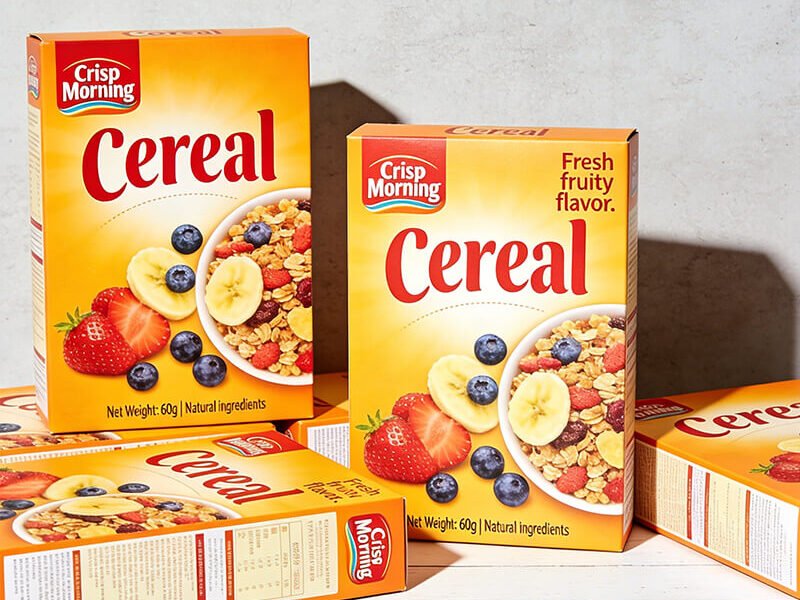
Retailers love this format because it saves labor and keeps shelves organized.
From my conversations with snack brands and supermarket buyers, one comment comes up often:
“If packaging takes too long to open or restock, stores won’t prioritize your product.”
Retail-ready packaging solves that problem.
Why Retail-Ready Snack Packaging Matters for Sales
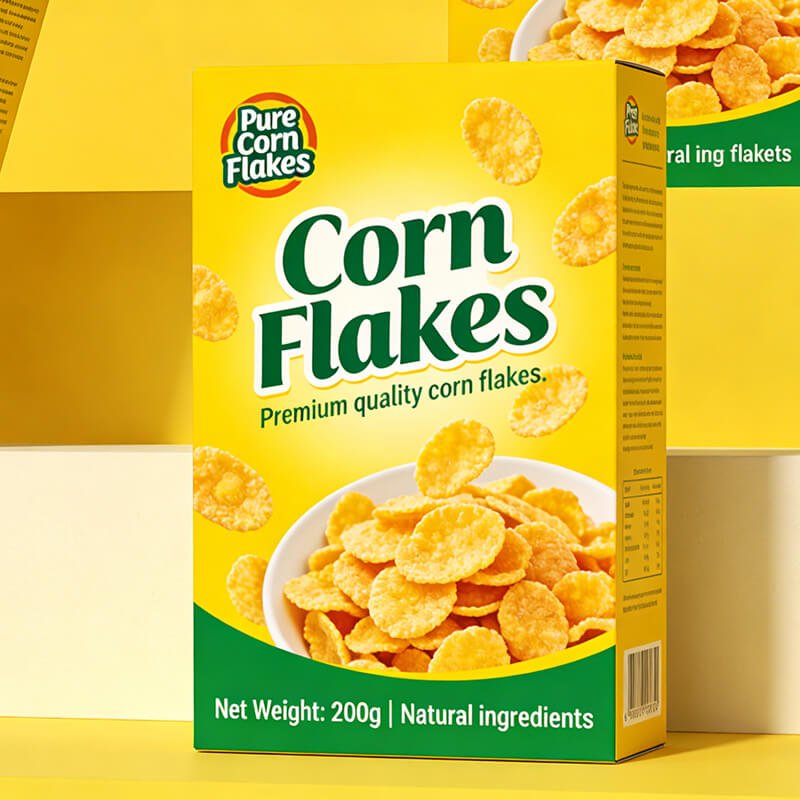
Retail-Ready Snack Packaging Improves Shelf Visibility
Shoppers don’t browse every product. Instead, they scan shelves quickly.
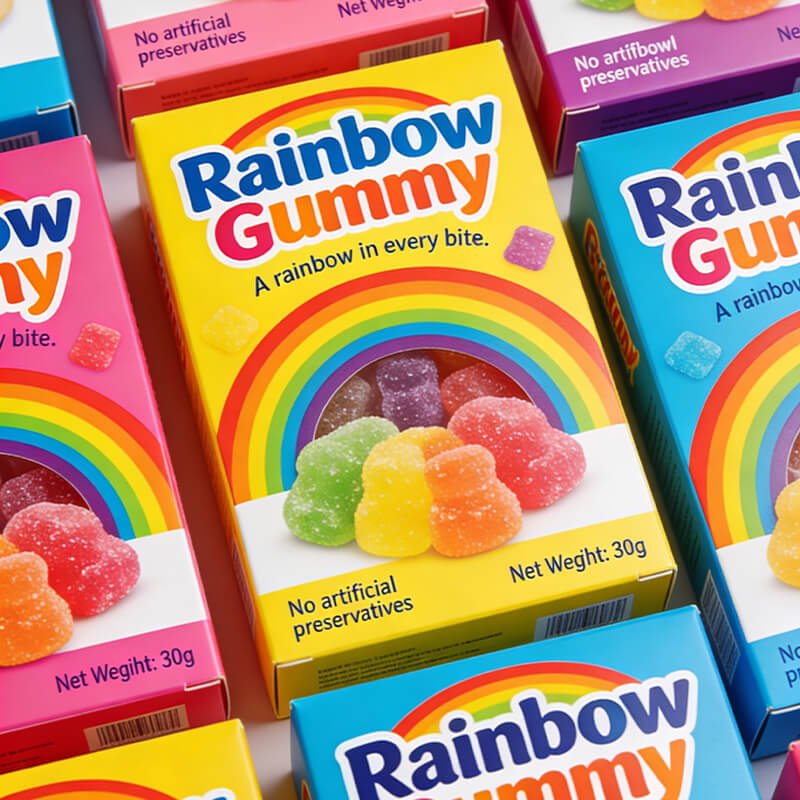
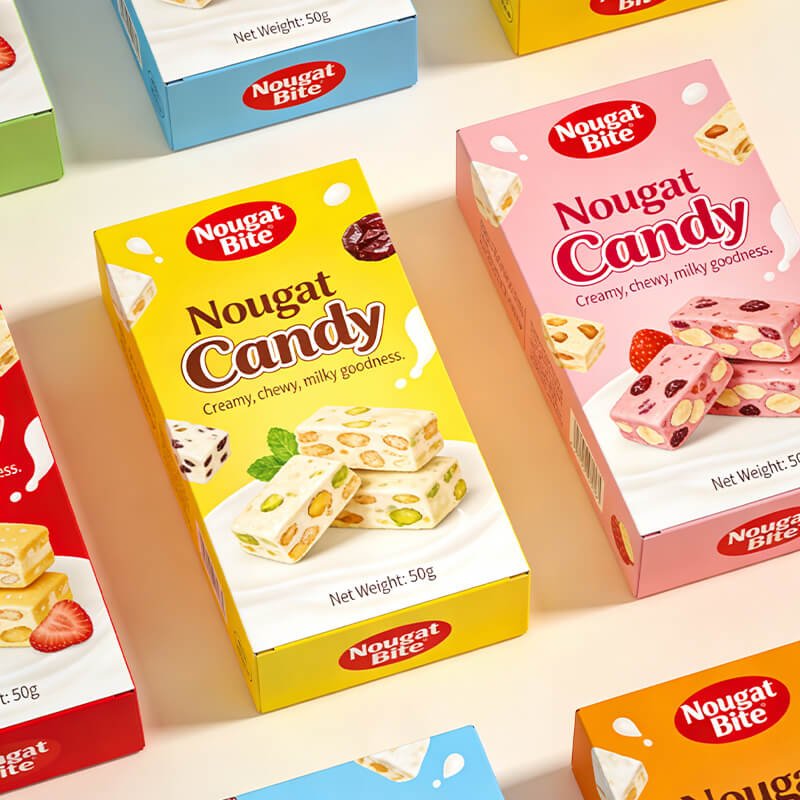
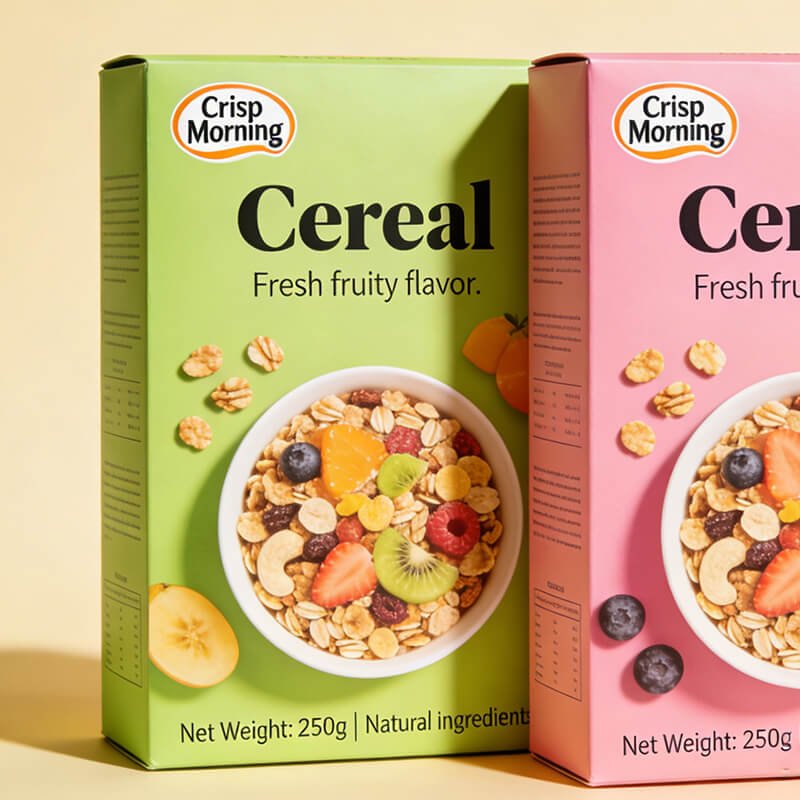
A good snack packaging design makes the product easy to notice by using:
- Clear branding
- Strong color contrast
- Easy-to-read product names
- Window cut-outs showing the snack
Many snack companies report that simply upgrading packaging design improved sales without changing the product itself.
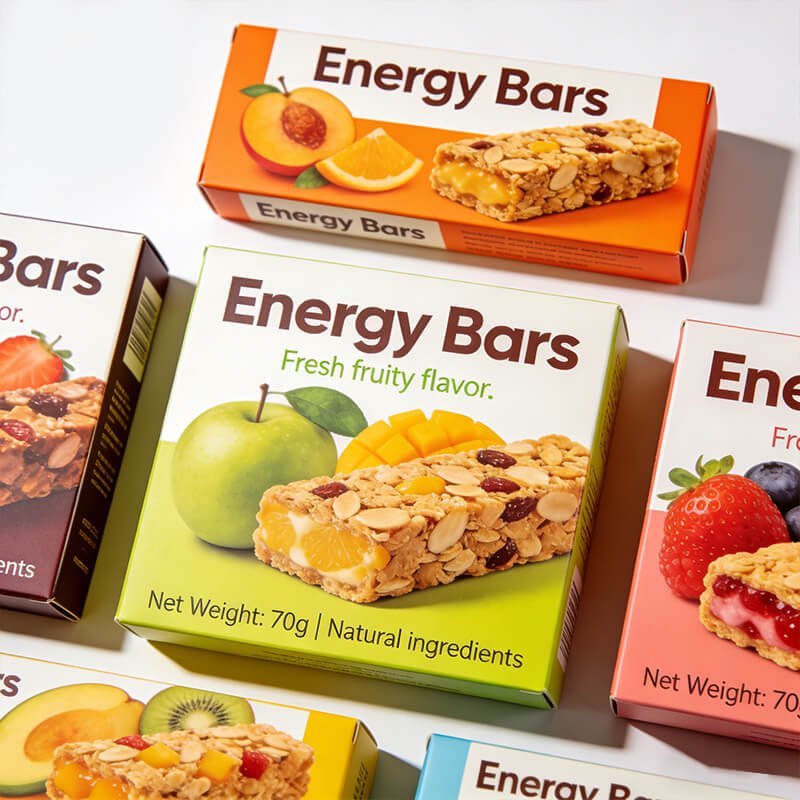
Retail-Ready Snack Packaging Makes Restocking Easier
Retailers appreciate packaging that works for their staff.
For example:
- Boxes that open quickly without knives
- Perforated tear lines that convert cartons into displays
- Stackable packaging for easy shelf organization
One supermarket buyer once told a snack supplier:
“Your packaging is great because we just tear the top off and place it directly on the shelf.”
That’s exactly the goal of retail-ready snack packaging.
Key Elements of Effective Retail-Ready Snack Packaging Design
Choose the Right Packaging Structure
The structure of the packaging is the foundation of good snack packaging design.
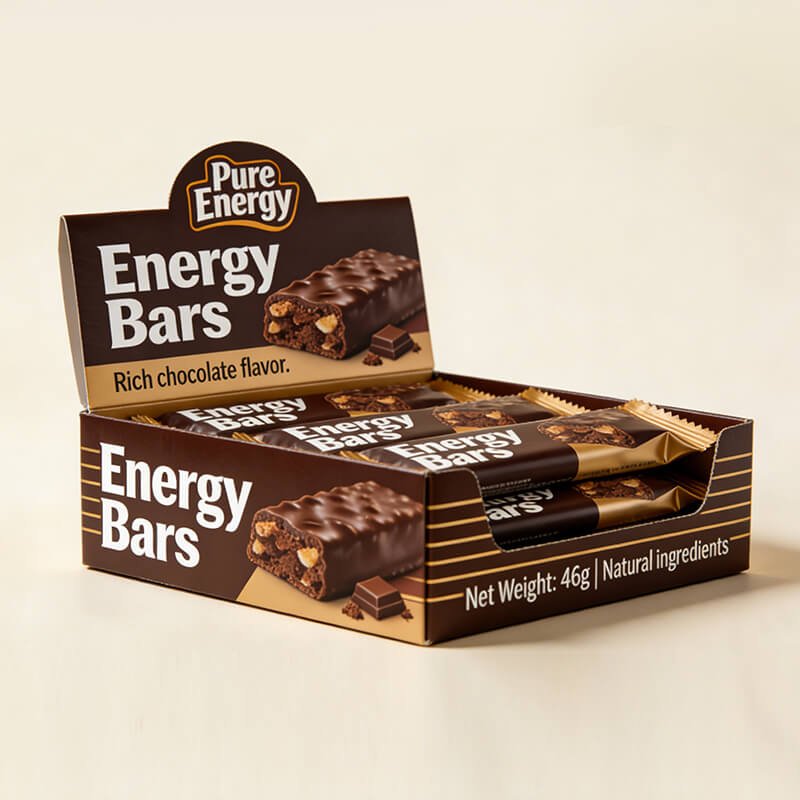
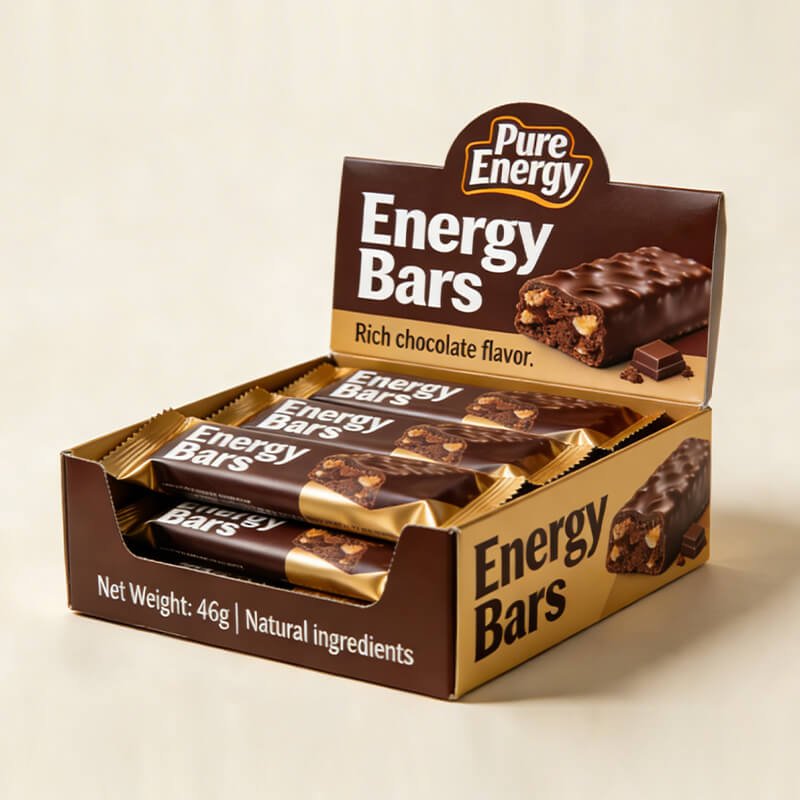
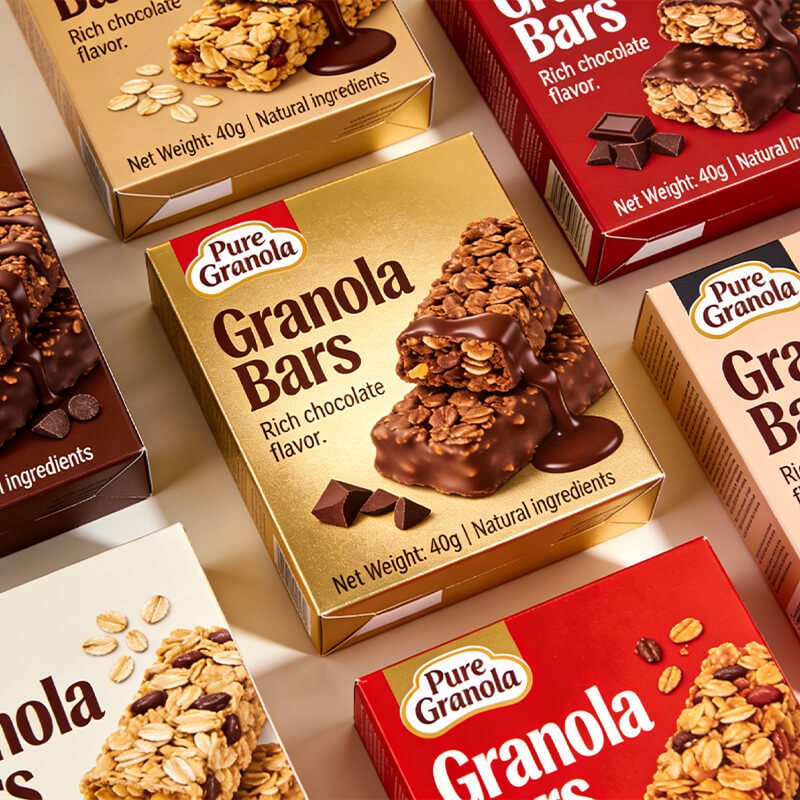
Display Carton Boxes
Display cartons are one of the most popular options.
Benefits include:
- Built-in product display
- Easy shelf placement
- Strong protection during shipping
These are widely used for:
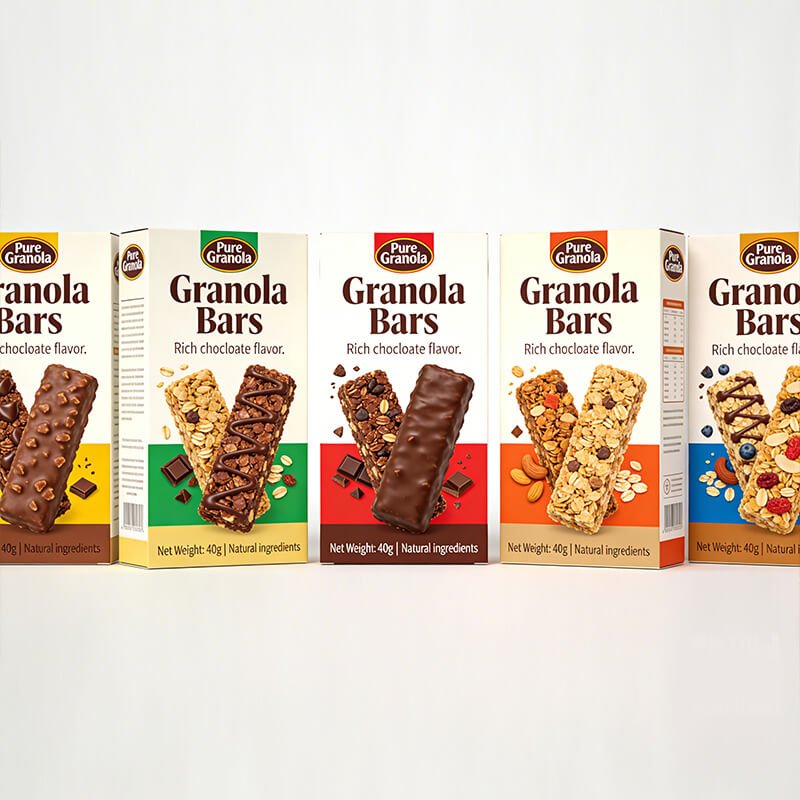
- granola bars
- cookies
- snack bars
- protein snacks
Window Packaging Boxes
Window boxes allow customers to see the snack inside, which builds trust and increases purchase likelihood.
Common uses:
- cookies
- nuts
- dried fruit snacks
- premium snacks
Shoppers often prefer packaging where they can visually confirm the product quality.
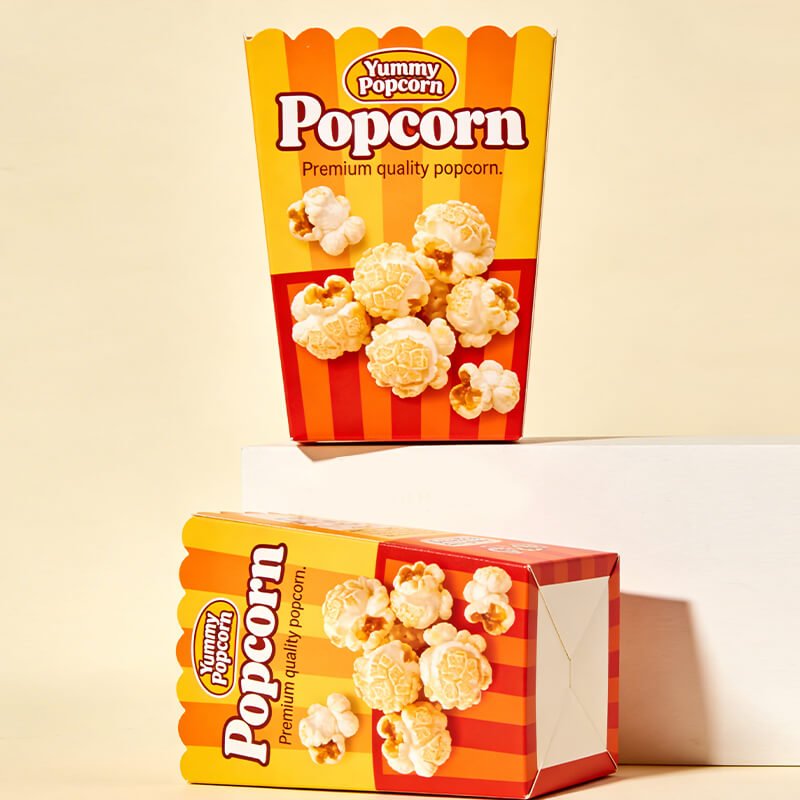
Stand-Up Pouches with Display Boxes
Another popular approach is combining pouches with retail display boxes.
This works well for:
- chips
- popcorn
- trail mix
The pouch protects freshness, while the display carton organizes the product on shelves.
Important Design Considerations for Retail-Ready Snack Packaging
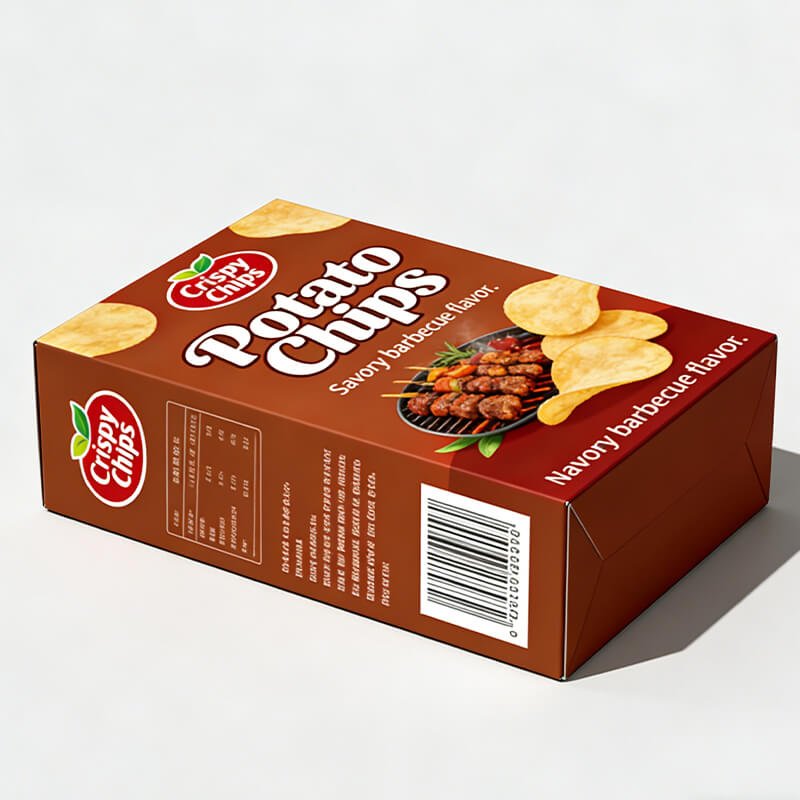
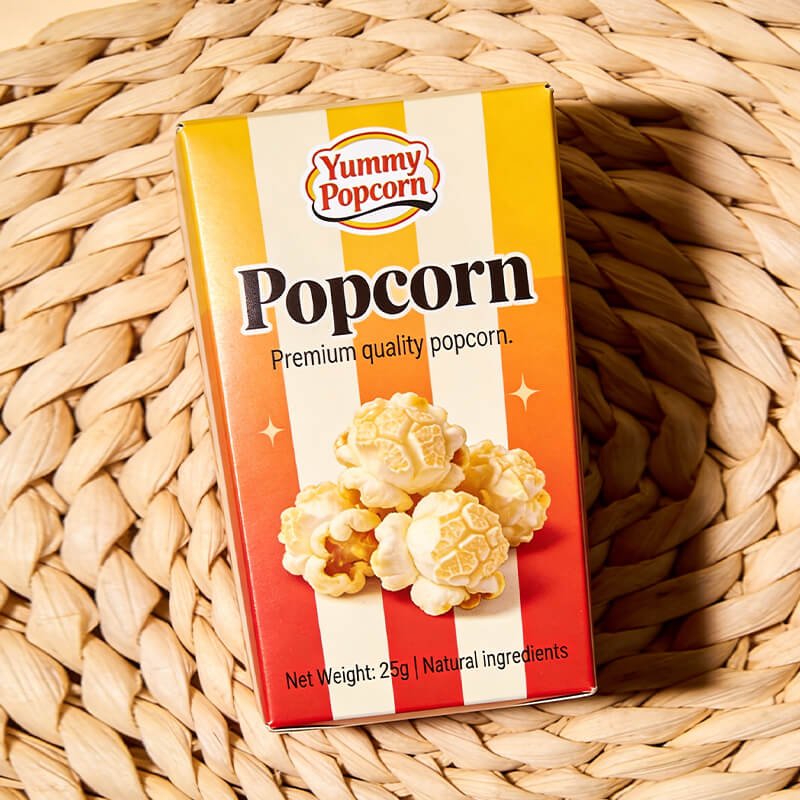
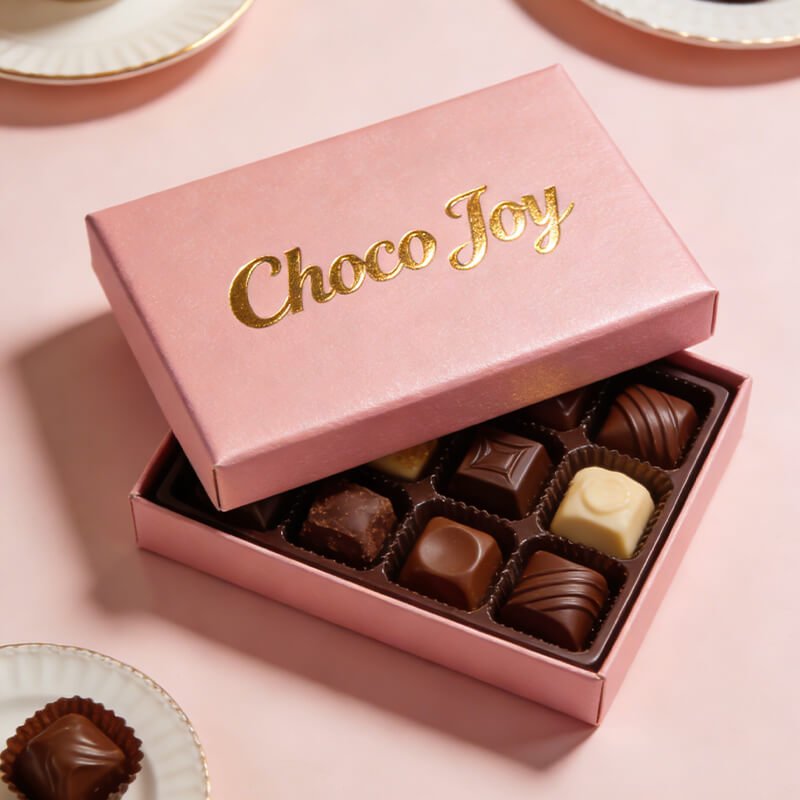
Branding and Visual Impact
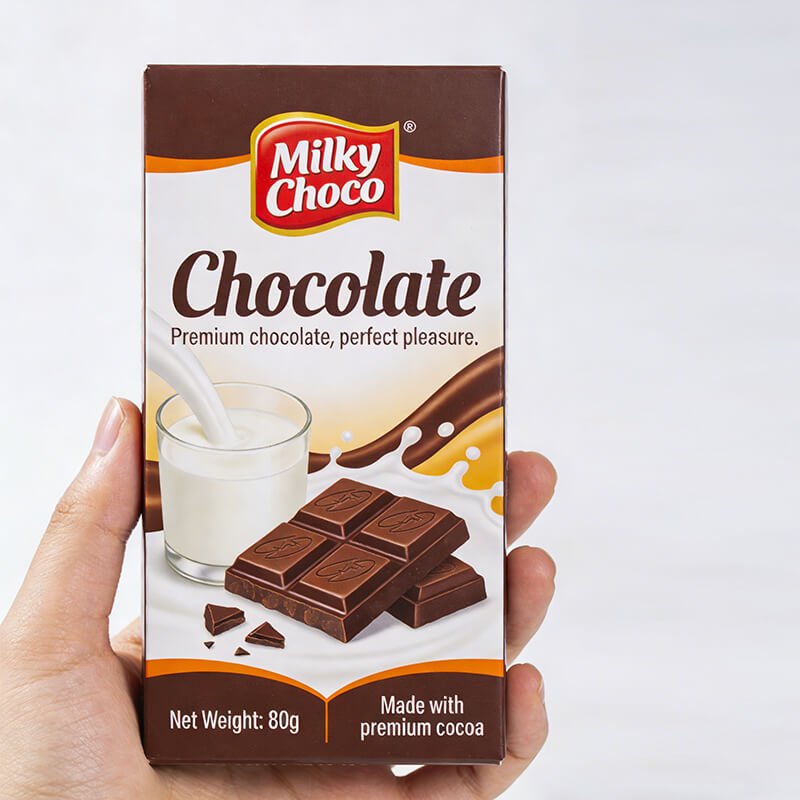
Good snack packaging design communicates brand identity immediately.
Focus on:
- bold brand logo
- recognizable color scheme
- simple product messaging
- clean typography
Remember: shoppers usually scan shelves quickly. Packaging should communicate the product clearly from a distance.
Packaging Durability for Transport
Retail-ready packaging must survive the journey from factory to warehouse to store shelf.
Weak packaging can lead to:
- crushed snack products
- damaged displays
- poor shelf presentation
Using strong paperboard and proper structural design helps maintain the packaging shape during transport.
Sustainability Expectations
Today, many retailers prefer eco-friendly snack packaging.
Popular options include:
- recyclable paper packaging
- FSC-certified paperboard
- plastic-reduction designs
Sustainable packaging not only satisfies retailer requirements but also appeals to environmentally conscious shoppers.
Practical Tips from Snack Brands Using Retail-Ready Packaging
Based on feedback from snack brands and retailers, here are some useful tips:
1. Test packaging in real retail conditions
Place mockups on shelves to see how the product looks among competitors.
2. Keep opening mechanisms simple
Store staff should be able to convert shipping cartons into display boxes within seconds.
3. Think about shelf space
Retail shelves are crowded. Efficient packaging dimensions help retailers stock more units.
4. Don’t sacrifice function for design
Great packaging should look attractive and protect the snack product.
Designing effective retail-ready snack packaging requires balancing several factors:
- product protection
- shelf visibility
- retailer convenience
- strong brand presentation
Snack brands that invest in thoughtful snack packaging design often see improvements in both retail relationships and product sales.
The reality is simple: your packaging is often the first salesperson your product has.
When packaging works well for both retailers and shoppers, your snack product stands a much better chance of succeeding on crowded store shelves.