Why Chocolate Packaging Is So Important for Retail Brands
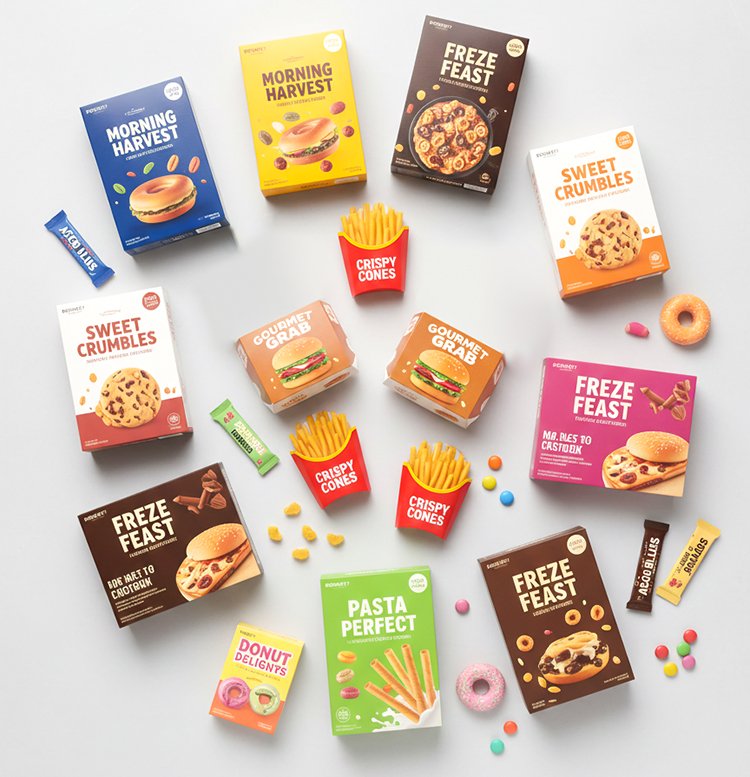
Chocolate is one of the most competitive categories in the snack and confectionery market. In supermarkets or specialty stores, dozens of chocolate brands often compete for attention on the same shelf.
Because of this, chocolate packaging boxes play a crucial role in how consumers perceive the product.
A confectionery buyer once explained:
“Customers often choose chocolate based on packaging first, especially when it’s a new brand. Attractive packaging creates curiosity and trust.”
Good custom chocolate packaging boxes serve several important purposes:
- protecting delicate chocolate products
- communicating brand quality and positioning
- creating visual impact on retail shelves
- supporting seasonal promotions and gift packaging
For retail brands and private label chocolate products, packaging often becomes a key factor in driving consumer interest.
Common Types of Chocolate Packaging Boxes
Different chocolate products require different packaging structures. Choosing the right box style is the first step in developing effective custom chocolate packaging boxes.
Folding Carton Chocolate Boxes
Folding cartons are widely used for many retail chocolate products, including:
- chocolate bars
- filled chocolate bars
- multipack chocolate products
- chocolate snack packs
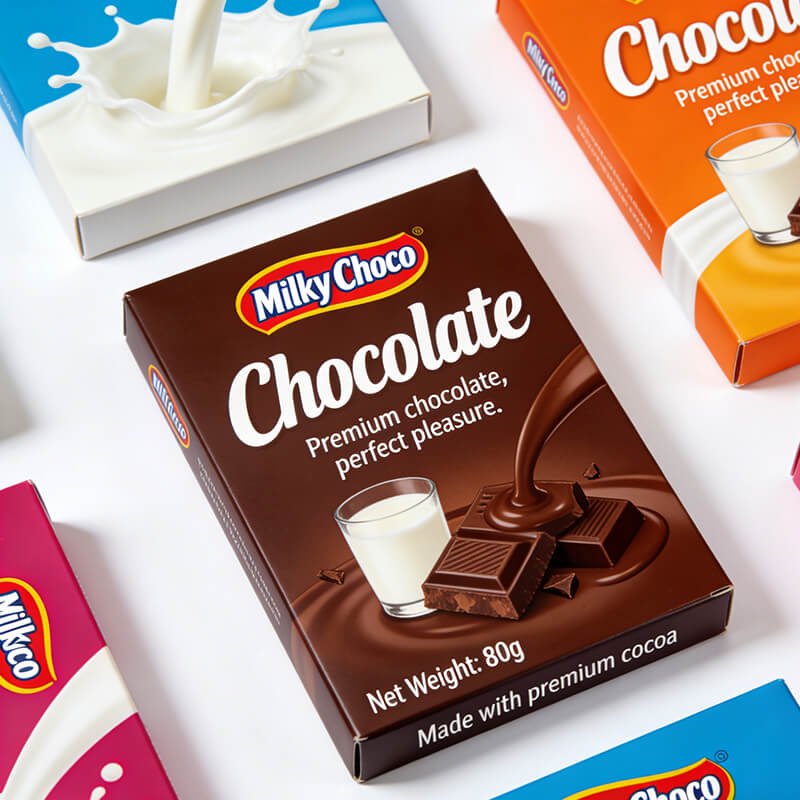
This type of chocolate packaging box offers several advantages:
- lightweight yet sturdy structure
- excellent printing quality
- cost-effective for large production volumes
Many supermarket chocolate brands use folding cartons combined with inner foil or plastic wrapping.
Sleeve Packaging for Chocolate Bars
Sleeve packaging is another popular structure for chocolate bars.
A paperboard sleeve wraps around the chocolate bar, usually with an inner foil wrap.
Benefits include:
- minimal material usage
- strong visual branding
- premium product appearance
This style is often used by artisanal chocolate brands and specialty retailers.
Rigid Gift Boxes for Premium Chocolate
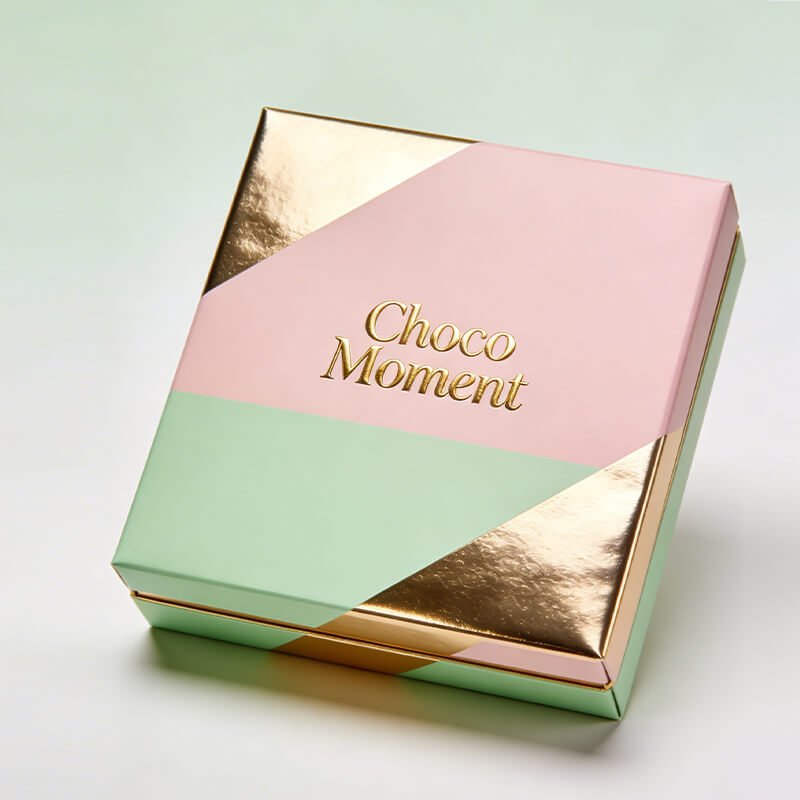
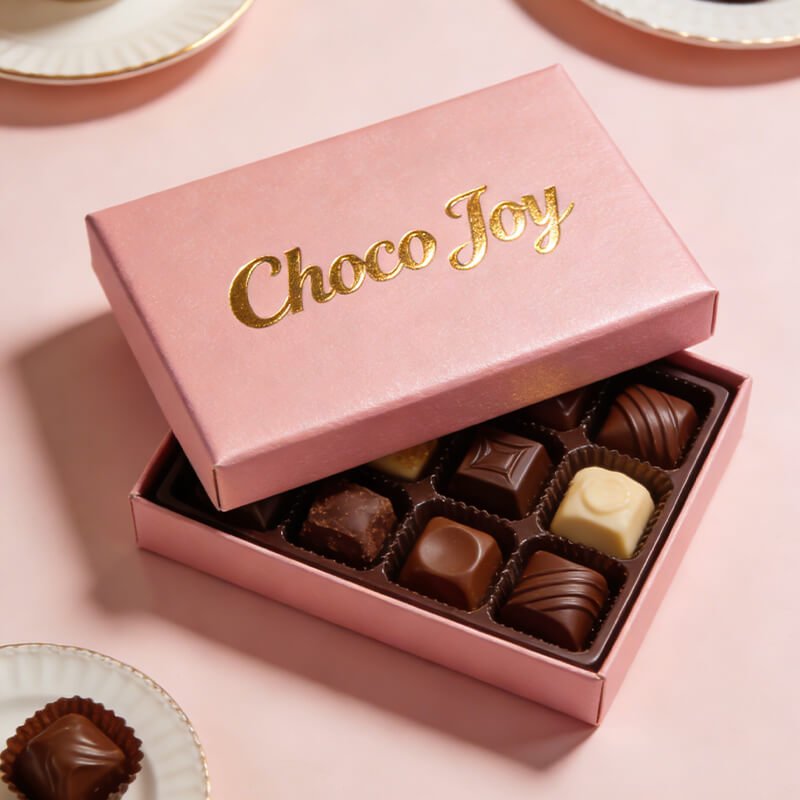
For high-end chocolate collections or seasonal gift sets, rigid boxes are commonly used.
These premium chocolate packaging boxes are popular for:
- chocolate assortments
- holiday gift sets
- luxury chocolate brands
Rigid boxes enhance the perception of quality and make the product suitable for gifting.
Choosing the Right Materials for Chocolate Packaging
Material selection is an important factor in designing chocolate packaging boxes, especially because chocolate is sensitive to environmental conditions.
SBS Paperboard
Solid Bleached Sulfate (SBS) paperboard is one of the most common materials for custom chocolate packaging boxes.
Advantages include:
- smooth surface for high-quality printing
- excellent structural strength
- clean and premium appearance
Many retail chocolate brands prefer SBS for its ability to produce vivid graphics and precise colors.
Kraft Paperboard
Kraft paperboard is often chosen by brands focusing on organic, handmade, or sustainable chocolate products.
Its natural texture helps communicate:
- authenticity
- eco-conscious branding
- artisanal product positioning
Coated Paperboard
Chocolate products containing cocoa butter or fillings can sometimes transfer grease to packaging surfaces.
Coated paperboard helps improve grease resistance and durability, making it a practical choice for many chocolate brands.
Design Elements That Make Chocolate Packaging Stand Out
Design plays a crucial role in the success of custom chocolate packaging boxes.
In retail environments, packaging must capture attention quickly.
Elegant Color Schemes
Chocolate packaging often uses sophisticated color palettes such as:
- deep brown
- gold accents
- black or dark tones
- warm earth colors
These colors help convey richness and indulgence, which are closely associated with chocolate products.
Premium Finishing Techniques
Many successful chocolate packaging boxes include finishing techniques such as:
- foil stamping for logos
- embossing or debossing
- spot UV highlights
- matte or soft-touch lamination
These small details can significantly enhance the perceived value of the product.
Minimal and Clear Design
Some of the most successful chocolate brands use simple yet elegant packaging designs.
Rather than overwhelming the consumer with information, they focus on:
- brand identity
- product flavor
- cocoa percentage or origin
Clear design improves readability and creates a more premium feel.
Protecting Chocolate During Transportation
Chocolate products can be sensitive to temperature changes and physical pressure.
Well-designed custom chocolate packaging boxes help protect the product during shipping and handling.
Important factors include:
- appropriate paperboard thickness
- well-fitted inner wrapping
- strong box structure
Packaging that fits the product closely can also reduce movement and prevent breakage during transportation.
Packaging for Private Label Chocolate Brands
Private label chocolate products are becoming increasingly popular in supermarkets and specialty food stores.
Retailers often require packaging that:
- reflects their brand identity
- maintains consistent quality
- supports large-scale production
Custom packaging manufacturers can help optimize chocolate packaging boxes to balance:
- visual impact
- cost efficiency
- supply chain practicality
This is particularly important for brands launching multiple chocolate flavors or product lines.
Well-designed custom chocolate packaging boxes help retail brands create stronger connections with consumers while protecting delicate products.
Effective chocolate packaging boxes combine several important elements:
- high-quality materials
- thoughtful structural design
- visually appealing branding
- practical functionality for retail distribution
By working with experienced packaging manufacturers, chocolate brands can develop packaging that not only protects the product but also enhances its presence in competitive retail environments.
Practical Tips for Chocolate Brands
If you are planning new custom chocolate packaging boxes, consider these practical steps:
- Select a packaging structure that fits your product format
- Choose paperboard materials that support both protection and design
- Use printing and finishing techniques to enhance brand identity
- Ensure packaging performs well during shipping and retail display
- Test packaging samples before mass production
These steps help ensure your chocolate packaging boxes support both brand growth and product protection.