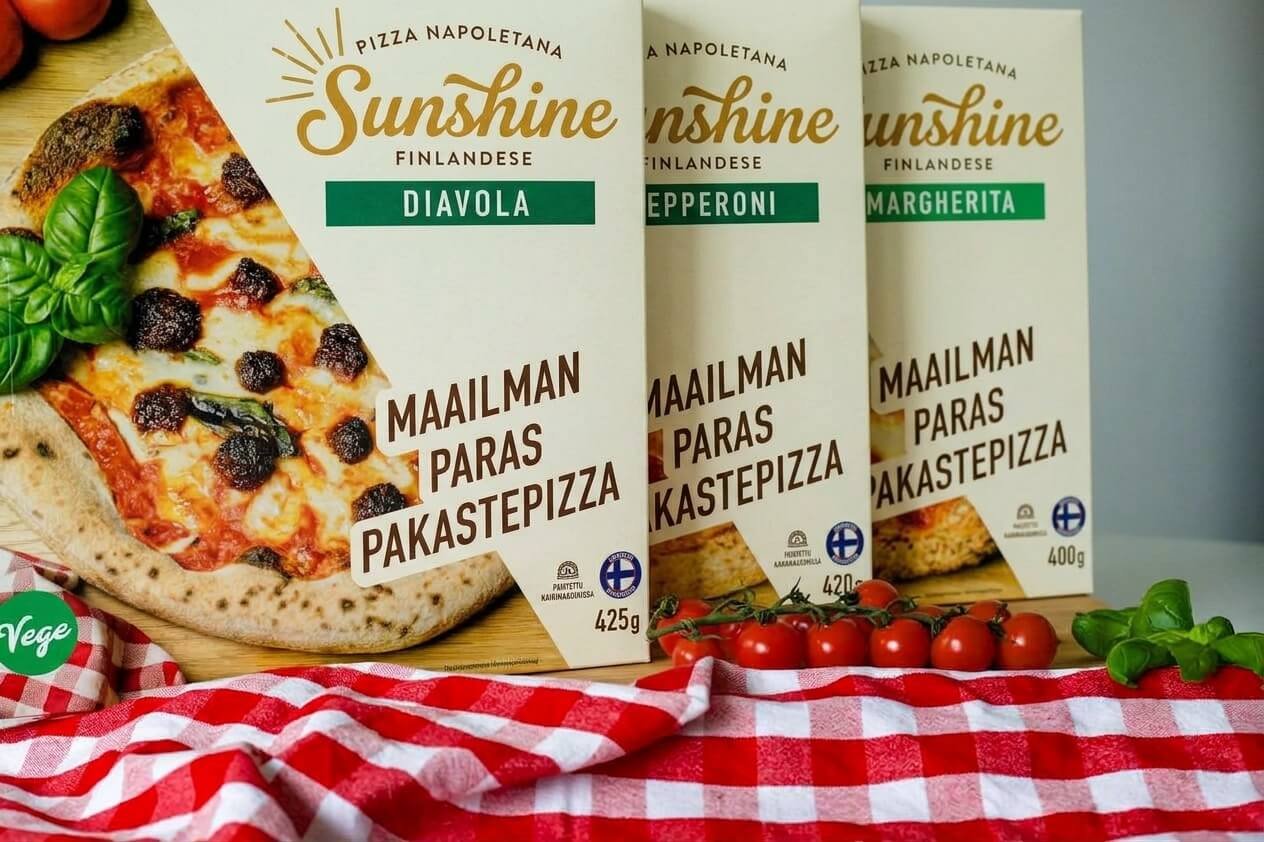
A frozen pizza box has a fairly straightforward job: hold the product, protect it during storage and distribution, and present it well in the supermarket freezer. But choosing the right paperboard is not quite as simple as picking the thickest material available.
The board needs to suit the size and weight of the pizza, the carton structure, the printing requirements and the conditions the finished package will encounter throughout the supply chain.
For food manufacturers and purchasing teams sourcing custom frozen pizza boxes, material selection also affects the unit cost, carton performance and overall appearance of the product.
So, which paperboard should you choose?
The answer depends on how your frozen pizza is packed, how it will be handled and what you expect from the finished carton. This guide looks at the main options and the practical considerations worth discussing with your packaging manufacturer.
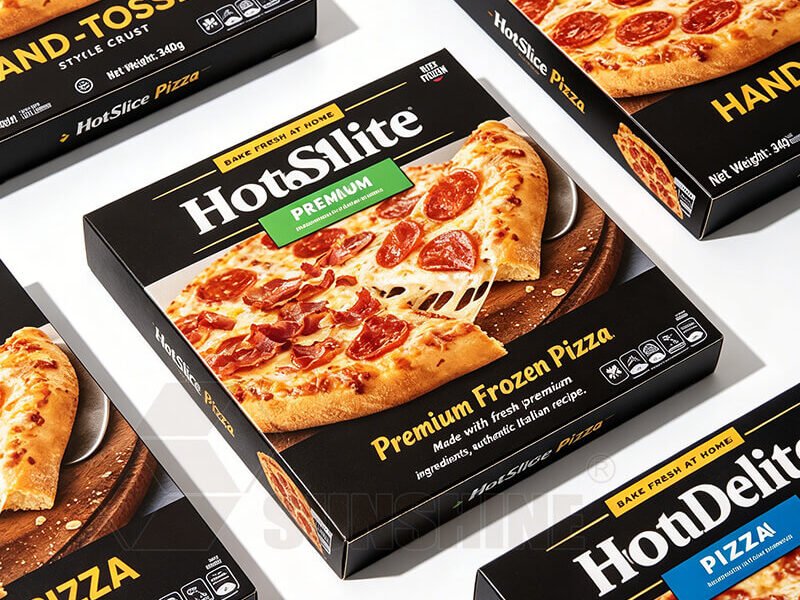
1. What Paperboard Is Commonly Used for Frozen Pizza Boxes?
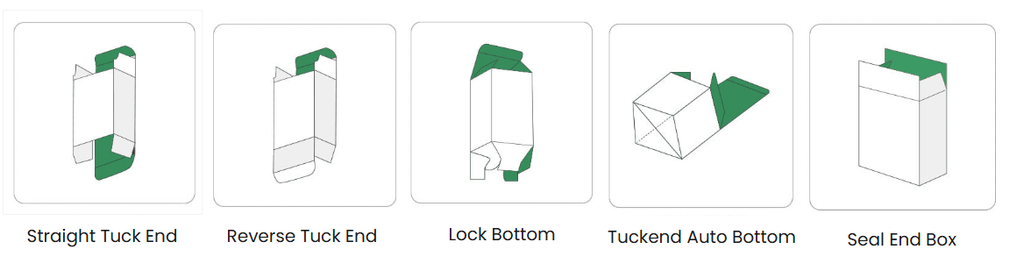
Frozen pizza cartons are generally made from folding box board or other suitable paperboard grades. The material needs enough stiffness to maintain the carton shape while remaining practical for printing, die-cutting and folding.
Three options are worth considering.
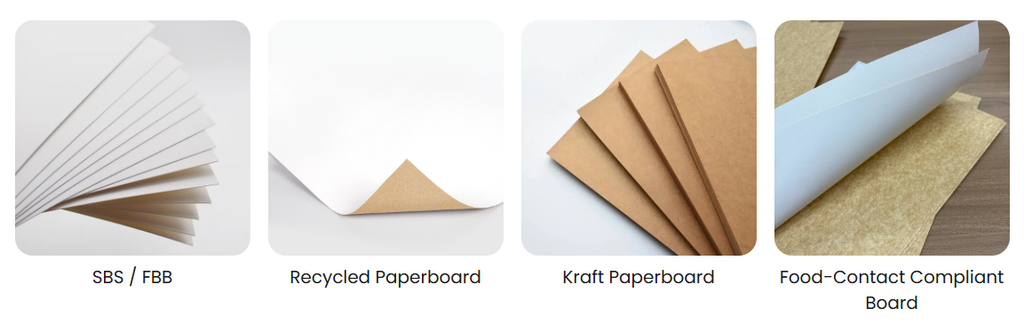
Folding Box Board (FBB)
Folding Box Board is a common choice for printed folding cartons. It typically has a multi-layer construction, with a printable outer surface and a structure designed to provide good stiffness relative to its weight.
For frozen pizza cartons, FBB can offer a useful balance between appearance, structural performance and material consumption.
It is worth considering when:
- The carton needs a clean, high-quality printed surface.
- The pizza carton is relatively large but does not require heavy-duty shipping protection.
- The brand needs consistent printing across multiple product varieties.
- Production efficiency and material cost both matter.
The exact grade and thickness should be selected according to the finished carton dimensions and product requirements.
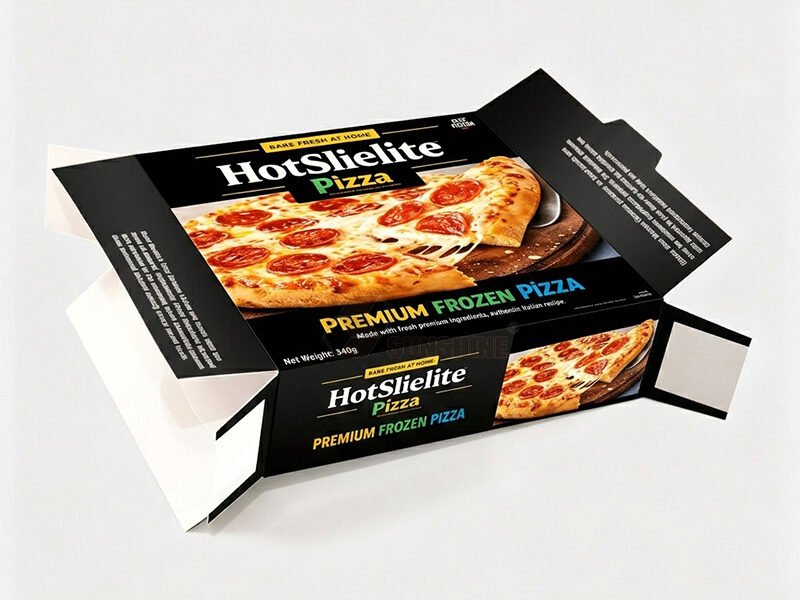
Solid Bleached Sulfate (SBS)
SBS is a premium white paperboard with a smooth surface and good printing characteristics.
It is often considered for packaging where visual presentation is especially important. For frozen pizza brands, this may include products positioned in premium supermarket ranges or packaging with detailed photography and strong colour requirements.
SBS can be a good option when print appearance is a priority, although it is not automatically the most cost-effective choice for every pizza carton.
Recycled Paperboard
Recycled paperboard is another option for brands looking to incorporate recycled fibre into their packaging.
Its surface, colour and stiffness may differ from virgin-fibre materials, so it is important to review actual samples rather than relying on the material name alone.
If the packaging is intended for a market with specific recycled-content or recycling claims, those claims should be checked against the relevant material documentation and local requirements.
2. FBB vs. SBS vs. Recycled Paperboard: Which Should You Choose?
Each material has its own strengths. The right choice depends on what matters most for your product.
| Material | Main Advantage | Suitable Considerations |
|---|---|---|
| FBB | Balance of stiffness, weight and printability | Standard retail frozen pizza cartons |
| SBS | Smooth white surface and print quality | Premium appearance and detailed graphics |
| Recycled Paperboard | Recycled fibre content options | Brands with material sustainability targets |
There is no universal winner.
For a standard supermarket frozen pizza carton, FBB may provide a practical balance of cost and performance. If the design relies heavily on high-quality product photography or a bright white background, SBS may be worth evaluating.
Recycled board may suit brands with specific material preferences, provided the selected grade meets the carton’s structural and printing requirements.
A useful approach is to compare two or three actual paperboard samples using the same carton design. This makes it easier to evaluate the differences in appearance, stiffness and production suitability.
3. What Paperboard Thickness Is Suitable for Frozen Pizza Boxes?
Paperboard thickness is one of the first specifications buyers ask about, but it should not be considered in isolation.
Two paperboard grades with similar thickness can behave differently because of their fibre composition, construction and manufacturing characteristics.
When selecting a board, the manufacturer may discuss grammage (GSM), caliper and stiffness.
GSM refers to the weight of paperboard per square metre.
Caliper refers to the physical thickness of the board.
Stiffness describes how well the material resists bending under load.
For frozen pizza cartons, these properties need to work together.
A larger pizza carton has a wider surface area and may be more susceptible to bending during handling. A smaller carton may require less material, depending on its construction and the weight of the contents.
Rather than specifying a GSM based only on another brand’s packaging, provide the carton dimensions and intended application to your manufacturer.
They can recommend suitable grades for sampling and testing.
4. How Does Pizza Size Affect Paperboard Selection?
Frozen pizza packaging is not a one-size-fits-all application.
A carton for a small individual pizza has different structural requirements from one designed for a large family-size pizza.
Several factors influence the choice of paperboard:
Carton dimensions
Larger cartons have wider panels and longer edges. The board needs sufficient stiffness to maintain its shape during handling and stacking.
Pizza weight
A heavier product may place greater demands on the carton, particularly around the base and side panels.
Carton depth
A shallow carton and a deeper carton distribute loads differently. The structure and board grade should be considered together.
Storage and distribution
The carton may be handled multiple times between the packing line, warehouse, transport vehicle and supermarket freezer.
For this reason, the final specification should be tested using the actual product and carton design rather than selected from dimensions alone.
5. What Surface and Printing Requirements Should You Consider?
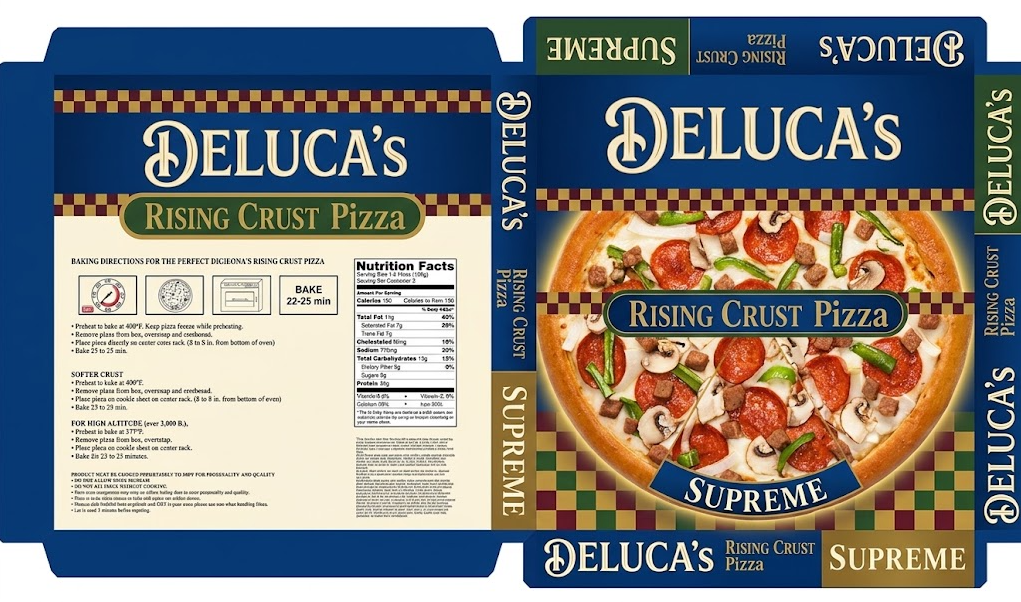
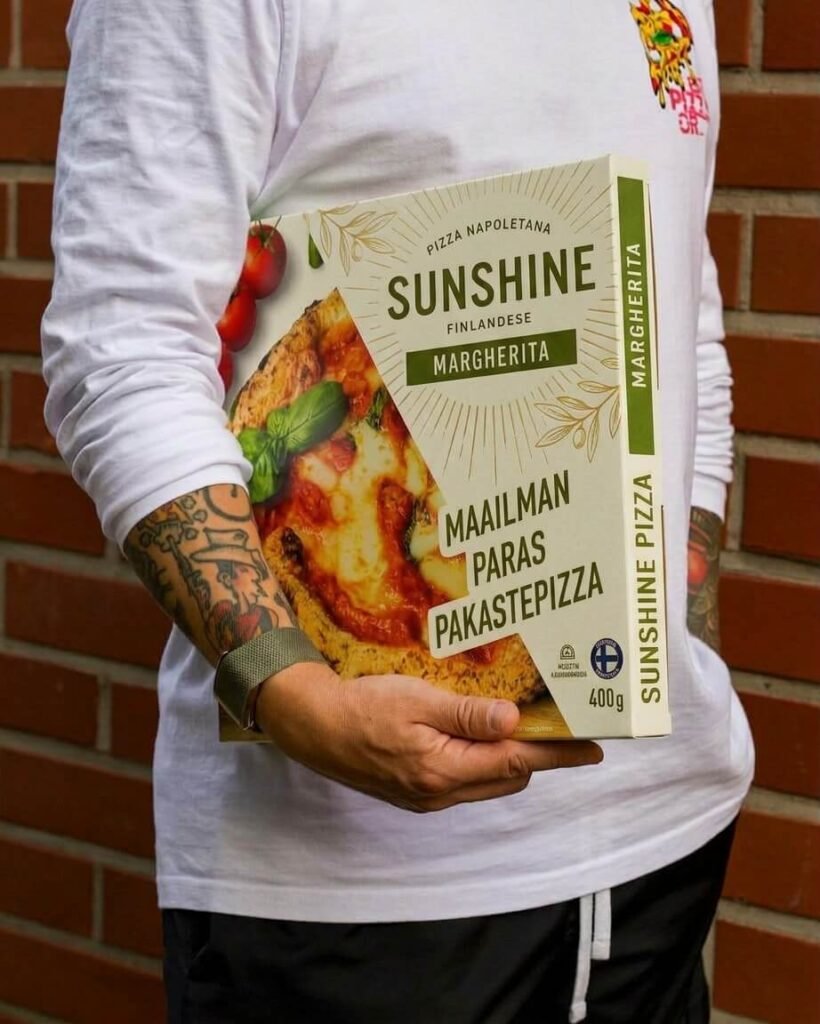
Frozen pizza packaging competes for attention in a retail freezer. The front panel often needs to communicate the product variety, toppings, cooking style and brand identity at a glance.
Paperboard selection should therefore take the printing requirements into account.
Offset Printing
Offset printing is widely used for commercial folding cartons. It is suitable for detailed product photography, brand colours and consistent artwork across larger production runs.
Matt and Gloss Lamination
Matt lamination creates a more understated surface, while gloss lamination gives printed graphics a brighter appearance.
The choice depends on the brand’s visual direction and the intended use of the carton.
However, a surface finish should not be treated as proof that the carton is suitable for freezer conditions. Its performance needs to be assessed under the intended storage and handling conditions.
Spot UV, Hot Foil and Embossing
Some brands use additional finishing to highlight logos or selected design elements.
These options can add visual detail, but they should be used with a clear purpose. For many everyday frozen pizza products, strong artwork and good colour reproduction are more important than elaborate finishing.
When discussing the specification with your manufacturer, make sure the selected board is compatible with the planned printing and finishing processes.

6. Should Frozen Pizza Boxes Have a Coating or Lamination?
This depends on the packaging structure and the conditions it will encounter.
It is important to distinguish between two different requirements:
- The outer carton needs to maintain its appearance and structural performance during storage and handling.
- The primary packaging needs to provide the required food protection and barrier performance.
A paperboard carton does not automatically provide a moisture or grease barrier simply because it is used for frozen food.
If the carton is expected to encounter condensation, moisture or direct contact with food, the material and surface treatment should be evaluated for that specific application.
Discuss the following points before selecting a finish:
- Will the carton be exposed to condensation during storage or handling?
- Is the pizza individually wrapped or placed in another inner package?
- Will the paperboard come into direct contact with food?
- Does the packaging need to withstand a particular storage temperature?
- Have the selected coating and printing materials been assessed for the intended application?
If the carton is an outer retail package around a separate food-contact package, its requirements may be different from those of a direct-contact food carton.
The intended use should always guide the material specification.
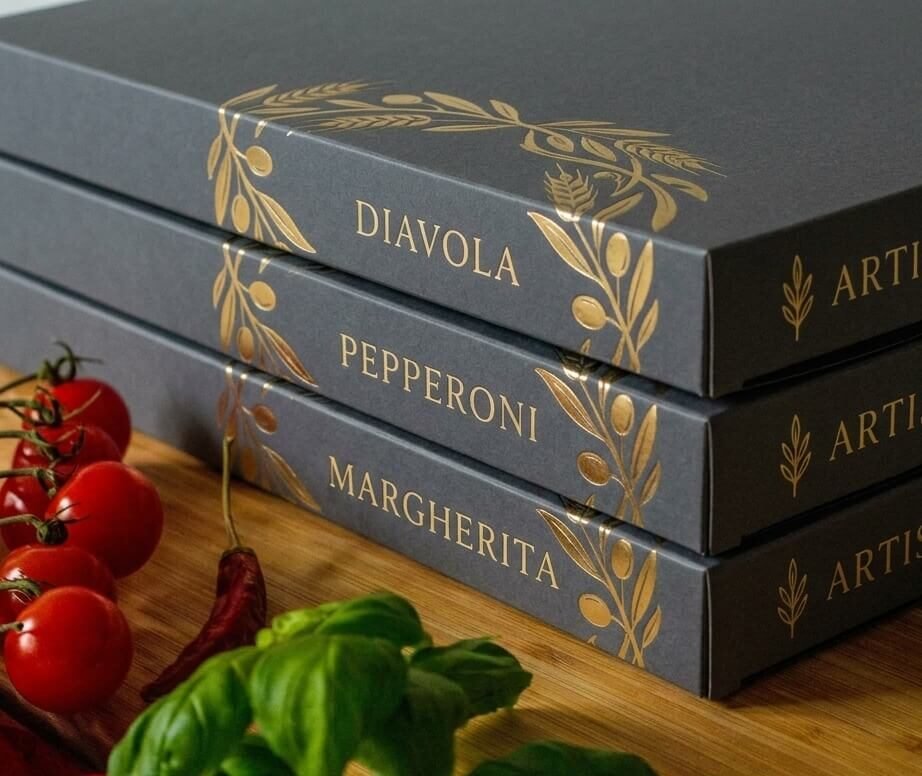
7. How to Test Paperboard Before Ordering Frozen Pizza Boxes
A material specification on paper is useful, but it does not tell you everything about how a finished carton will perform.
Before approving a large production order, it is worth checking the material and the completed box.
Here are several practical checks.
1. Check the board consistency
Compare the samples for thickness, surface quality, colour and stiffness. Material variation can affect both printing and carton assembly.
2. Test the finished carton dimensions
Make sure the pizza fits properly and that the carton closes without excessive pressure or unwanted gaps.
3. Evaluate folding and creasing
The board should fold cleanly along the intended crease lines. Poor creasing can lead to cracking, distorted panels or difficult assembly.
4. Review the printing quality
Check colour consistency, image sharpness, text legibility and registration against the approved artwork.
5. Conduct application-specific testing
Place the finished carton into the intended storage and handling conditions. Evaluate its appearance, shape and structural condition after the relevant storage period.
For larger commercial projects, the test plan should reflect the actual supply chain, including stacking, transport and freezer storage where applicable.
Do not assume that a board suitable for ordinary retail packaging will automatically perform well under every frozen distribution condition.
8. How Much Does Paperboard Choice Affect Frozen Pizza Box Cost?
Material is an important part of the quotation, but it is not the only factor that determines the final price.
For custom frozen pizza cartons, the cost is generally influenced by:
- Paperboard grade and grammage.
- Finished carton dimensions.
- Printing colours and artwork coverage.
- Surface finishing requirements.
- Die-cutting and carton structure.
- Order quantity.
- Production and packaging requirements.
A heavier board may increase the material cost, but choosing a lighter board simply to reduce the quotation can create problems if the finished carton does not provide sufficient stiffness.
It is usually better to compare different material options using the same box dimensions and artwork.
Ask your manufacturer to quote the alternatives separately. This gives your purchasing team a clearer picture of the cost difference and helps avoid unnecessary material upgrades.
9. What Should You Tell a Manufacturer When Ordering Custom Frozen Pizza Boxes?
A packaging supplier can make a more useful recommendation when the product and packaging requirements are clearly defined.
Before requesting a quotation, prepare the following details:
| Specification | Information Needed |
|---|---|
| Pizza diameter | Actual product size |
| Carton dimensions | Length × Width × Height |
| Product weight | Weight of each packaged pizza |
| Paperboard | Preferred grade, if known |
| GSM | Target grammage, if available |
| Printing | Number of colours or full-colour artwork |
| Finishing | Matt, gloss or other requirements |
| Quantity | Estimated order volume |
| Storage conditions | Intended freezer storage conditions |
| Artwork | Print-ready file or reference design |
If you do not have a confirmed paperboard specification, that is not a problem.
You can start by sharing the pizza dimensions, product weight and an image of your current packaging. The manufacturer can then suggest suitable board options for sampling.
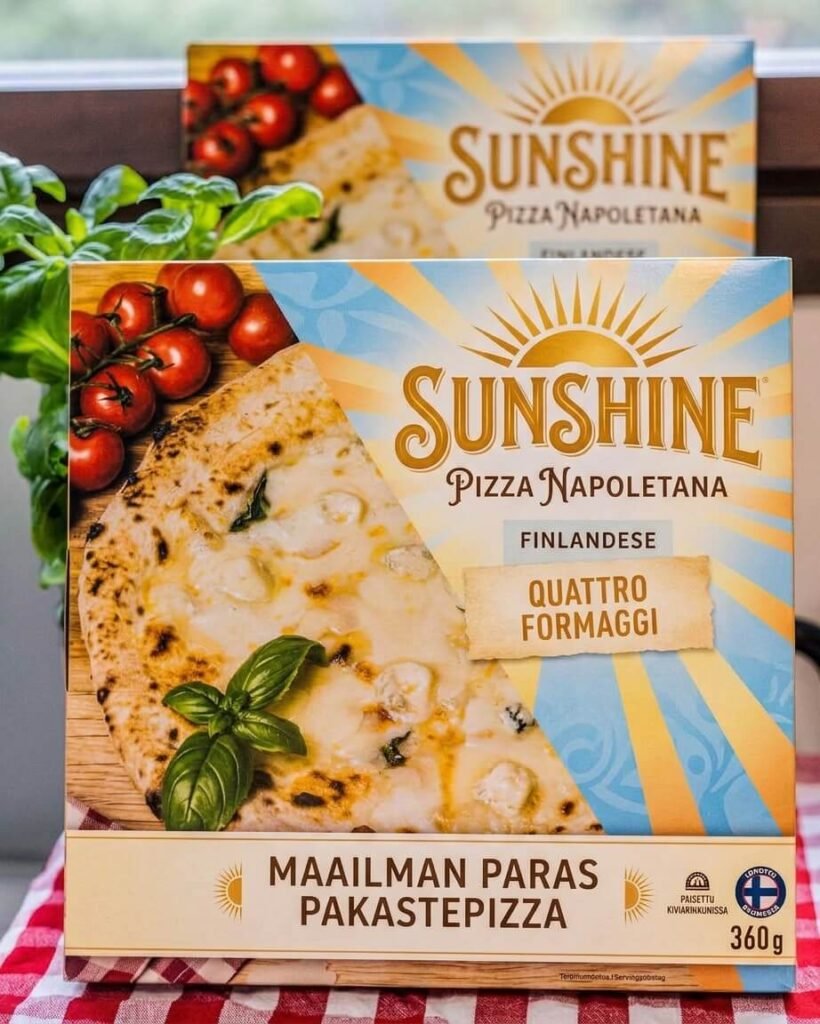
10. Choosing a Frozen Pizza Box Manufacturer
Material selection is only one part of a successful packaging order. The manufacturer’s ability to maintain consistent quality throughout production is equally important.
When comparing suppliers, look beyond the initial unit price.
Consider whether the manufacturer can:
- Recommend suitable paperboard grades for your carton design.
- Produce accurate samples before bulk production.
- Handle offset printing and the required finishing processes.
- Maintain consistent die-cutting and folding quality.
- Manage repeat orders with the same approved specifications.
- Provide relevant quality and material documentation.
It is also worth asking how the manufacturer handles artwork approval, production inspection and changes to material specifications.
A supplier that understands the practical requirements of folding carton production can help avoid unnecessary revisions during development.
Custom Frozen Pizza Boxes from Sunshine Packaging
Sunshine Packaging manufactures custom printed paperboard folding cartons for food brands and packaging buyers.
For frozen pizza packaging projects, we can work with customers on carton dimensions, paperboard selection, printing and finishing based on their product requirements.
Our production capabilities include offset printing, die-cutting, hot foil stamping, lamination and automatic gluing.
Whether you need standard retail cartons or custom printed boxes for different pizza sizes and product ranges, we can help you develop a packaging specification for your project.
If you are sourcing custom frozen pizza boxes, send us your pizza dimensions, carton size, estimated quantity and artwork requirements.
Our team can review the details and discuss suitable paperboard options with you.
Looking for a manufacturer for your frozen pizza packaging? Contact Sunshine Packaging to request a quotation.
Frequently Asked Questions
1. What is the best paperboard for frozen pizza boxes?
FBB is a practical option for many printed frozen pizza cartons because of its balance of stiffness, weight and printability. SBS may be preferred when a premium white printing surface is important. The final selection depends on carton size, product weight and storage conditions.
2. What GSM is used for frozen pizza boxes?
There is no single GSM suitable for all frozen pizza cartons. The required grammage depends on the carton dimensions, board grade, pizza weight and structural design. A manufacturer should recommend the specification based on the finished box requirements.
3. Is SBS or FBB better for frozen pizza packaging?
SBS generally offers a smooth white surface suited to high-quality printing, while FBB is often selected for its balance of stiffness and weight. Both should be evaluated based on the actual carton design and intended use.
4. Can recycled paperboard be used for frozen pizza cartons?
Yes, suitable recycled paperboard grades can be considered for outer retail cartons. However, their stiffness, printing surface and performance under the intended storage conditions should be checked before production.
5. Do frozen pizza boxes need to be waterproof?
Not necessarily. The requirement depends on whether the carton is exposed to moisture or condensation and whether it is used as an outer package or direct food-contact packaging. Ordinary paperboard should not be assumed to be waterproof.
6. Can frozen pizza boxes be custom printed?
Yes. Custom frozen pizza cartons can be printed with brand logos, product photography, flavour information, nutritional details and other required artwork. Offset printing is a common option for commercial folding carton production.
7. How do I choose the right thickness for a frozen pizza box?
Consider the carton dimensions, product weight, structure and expected handling conditions. GSM alone does not determine performance, so finished carton samples should be tested before approving bulk production.
8. Can a folding carton manufacturer help with paperboard selection?
Yes. A folding carton manufacturer can review the product dimensions, carton structure and printing requirements and suggest suitable paperboard options. It is best to confirm the final specification through physical samples and application-specific testing.