If you’re a food brand or snack manufacturer, choosing the best packaging for your products is not just about making them look good on the shelf—it’s also about keeping themfresh, safe, and convenient.
The right snack packaging options can make a big difference in:
- Shelf life
- Product safety
- Consumer convenience
- Brand perception
Let’s break down what makes snack packaging effective and explore the best options for different types of snacks.
Why Packaging Matters for Snack Products
Snack products vary widely—from chips and nuts to protein bars and baked goods. Packaging must balance three main factors:
- Protection – Prevent damage, moisture, or contamination
- Freshness – Maintain taste, texture, and aroma
- Convenience & Branding – Easy to open, resealable, visually appealing
Retail buyers and B2B customers often choose suppliers based on how well their snack packaging options meet these requirements.
Common Snack Packaging Options
Depending on the type of snack, different packaging types are considered the best.
Flexible Packaging (Pouches, Bags, and Stand-Up Pouches)
Flexible packaging is popular for chips, nuts, trail mix, and popcorn.
Advantages:
- Lightweight and cost-effective
- Protects against moisture and oxygen when combined with barrier films
- Can include resealable zippers for consumer convenience
- High printing quality for branding
Materials:
- PET/PE laminate
- Foil-laminated films
- PLA-based biodegradable films for eco-friendly options
Flexible packaging is ideal for retail, subscription boxes, and e-commerce snack products.
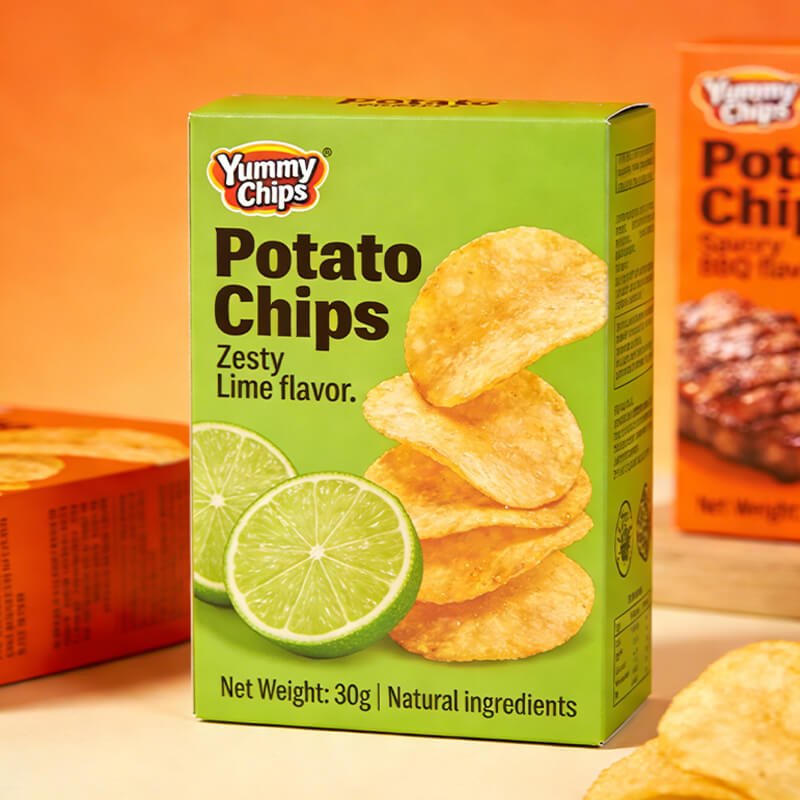
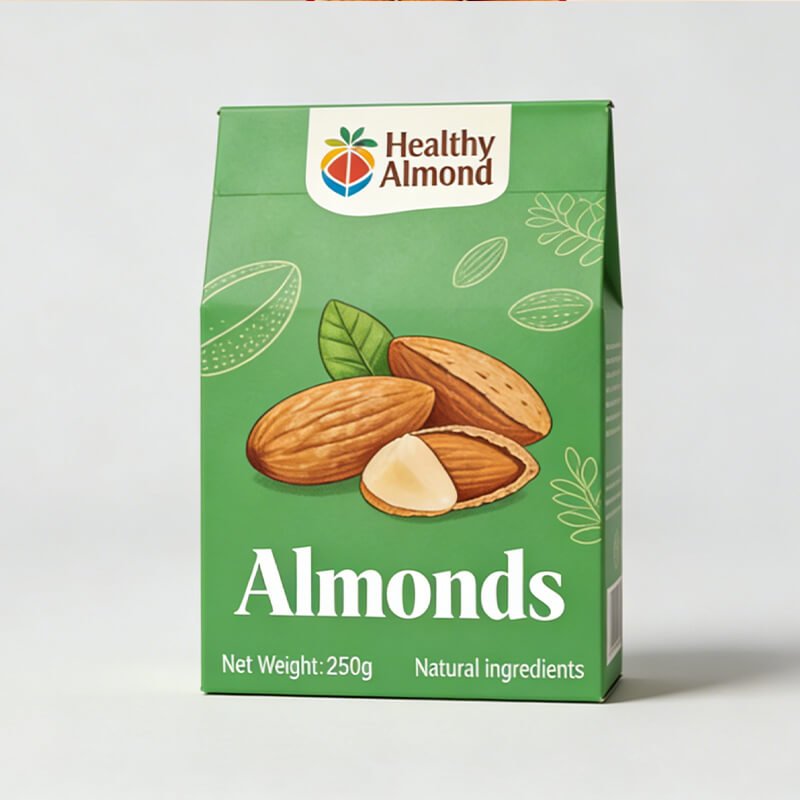
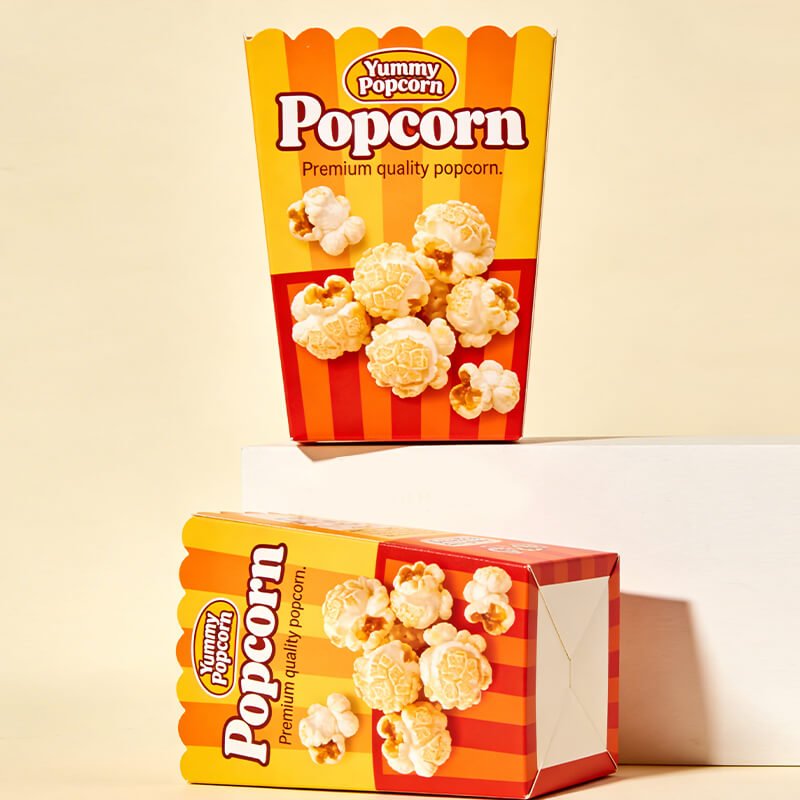
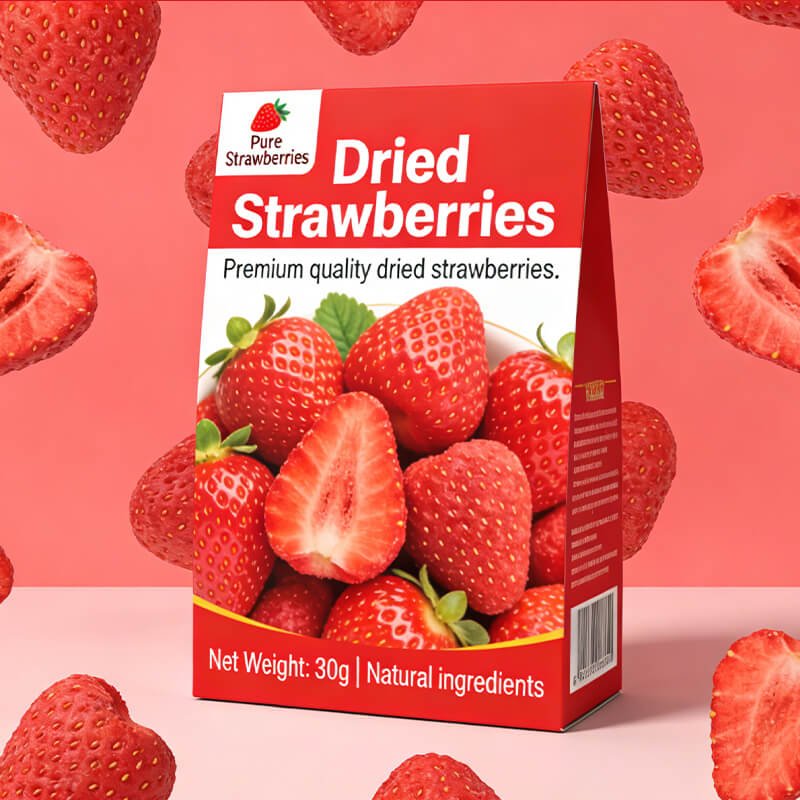
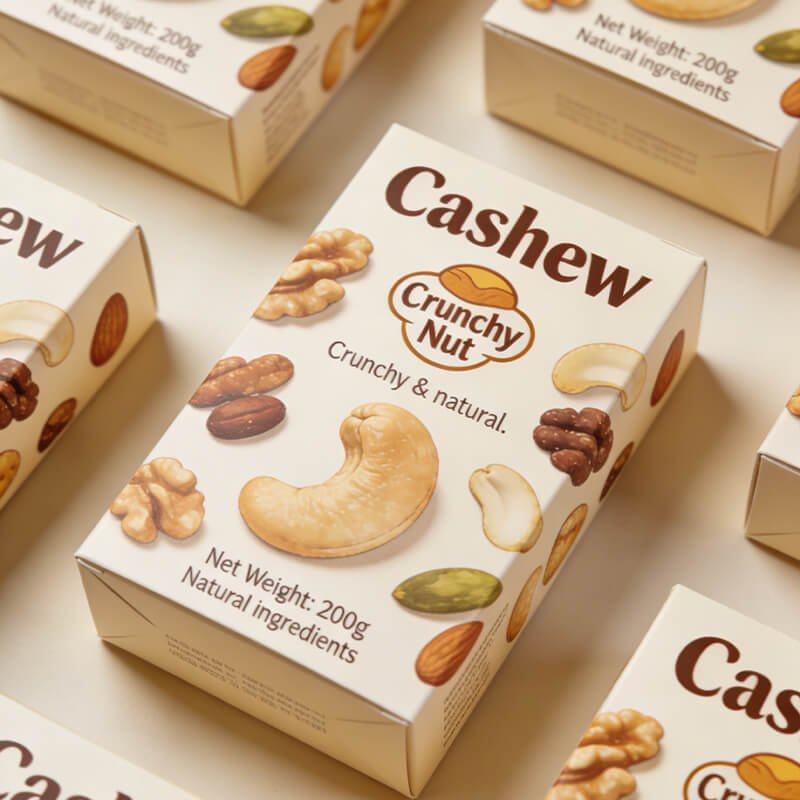
Paperboard Boxes and Folding Cartons
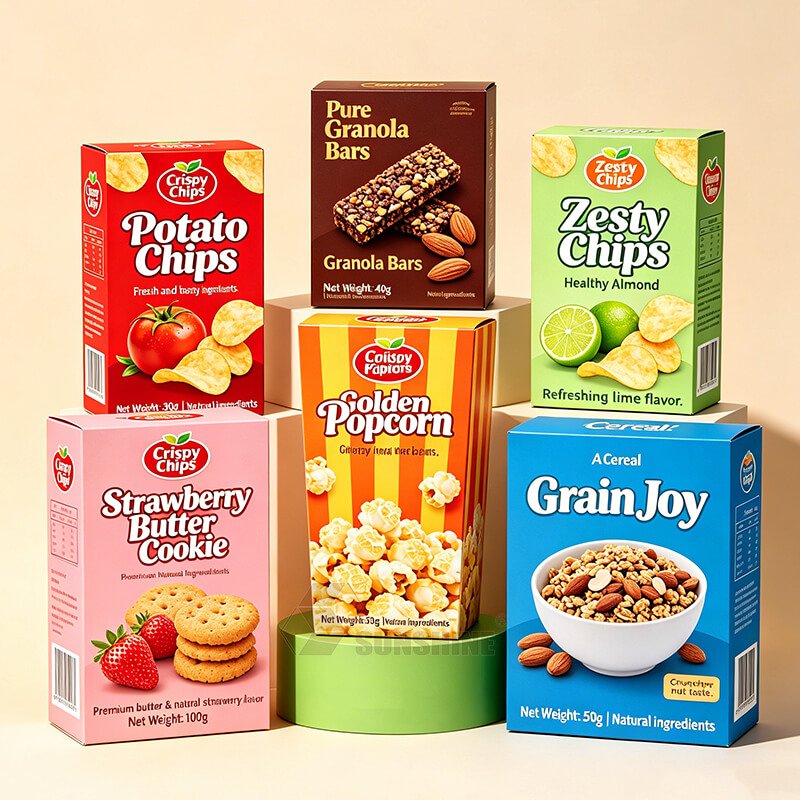
Paperboard boxes work well for cookies, granola bars, or snack multipacks.
Advantages:
- Sturdy and protects from crushing
- Can include inner bags for freshness
- Easy to stack for shelf-ready displays
- Can be printed in full color for premium branding
Eco-friendly options: FSC-certified or recyclable paperboard appeals to conscious consumers.
Single-Serve Portion Packs
Many snack brands now offer single-serve or portioned packaging:
- Granola bars
- Nuts or trail mixes
- Chips and crackers
Benefits:
- Improves freshness by limiting exposure to air
- Convenient for on-the-go consumers
- Supports controlled calorie portions
These are often made from flexible pouches, laminated paper, or small folding cartons.
Rigid or Reusable Containers
For premium snacks or bulk products, rigid containers can add perceived value:
- Plastic tubs or jars for trail mix, nuts, or dried fruits
- Cardboard tubes for chips or crisps
- Glass jars for cookies or confectionery
Advantages:
- Excellent protection during transport
- Can be reused by consumers
- Premium look on shelves
Rigid containers are slightly more expensive but increase perceived value and shelf impact.
Features That Make Snack Packaging Work Best
Regardless of the type, good snack packaging options share these features:
Barrier Properties
Snacks can be sensitive to moisture, oxygen, and light. Packaging must:
- Prevent staling
- Protect flavor and crunchiness
- Reduce spoilage risk
Materials like foil laminates, metallized films, and coated paperboard are commonly used.
Convenience Features
- Resealable zippers for multi-serve packs
- Easy-tear perforations
- Portion-controlled inner bags
These features improve the consumer experience and can increase repeat purchases.
Shelf-Ready and Stackable Design
For retailers:
- Boxes or trays that can be placed directly on shelves
- Stackable designs reduce handling time
- Prominent branding helps sales
This is particularly important for B2B buyers looking for efficiency and shelf appeal.
Branding and Printing
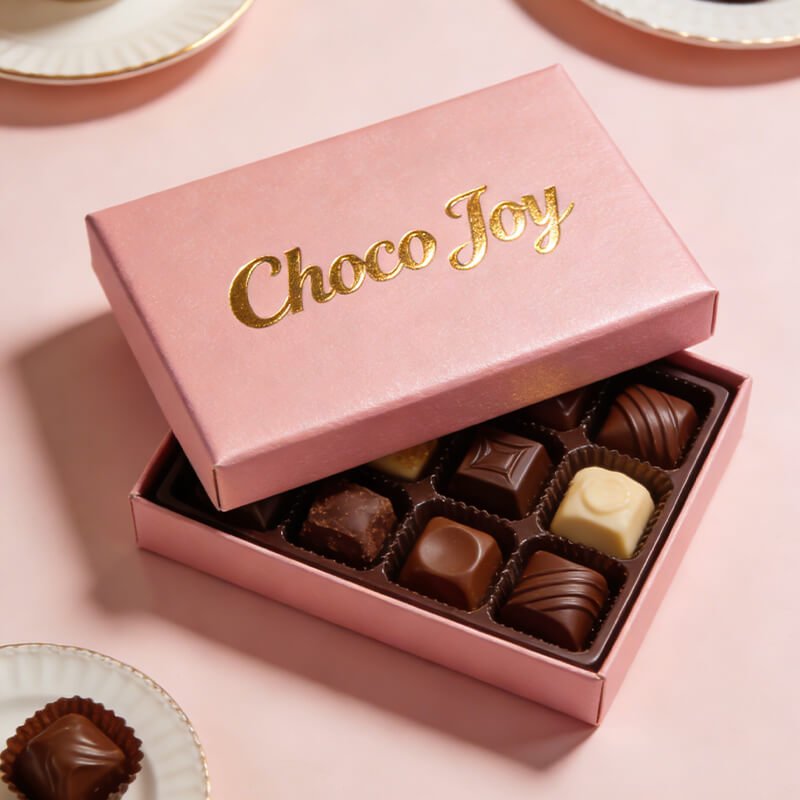
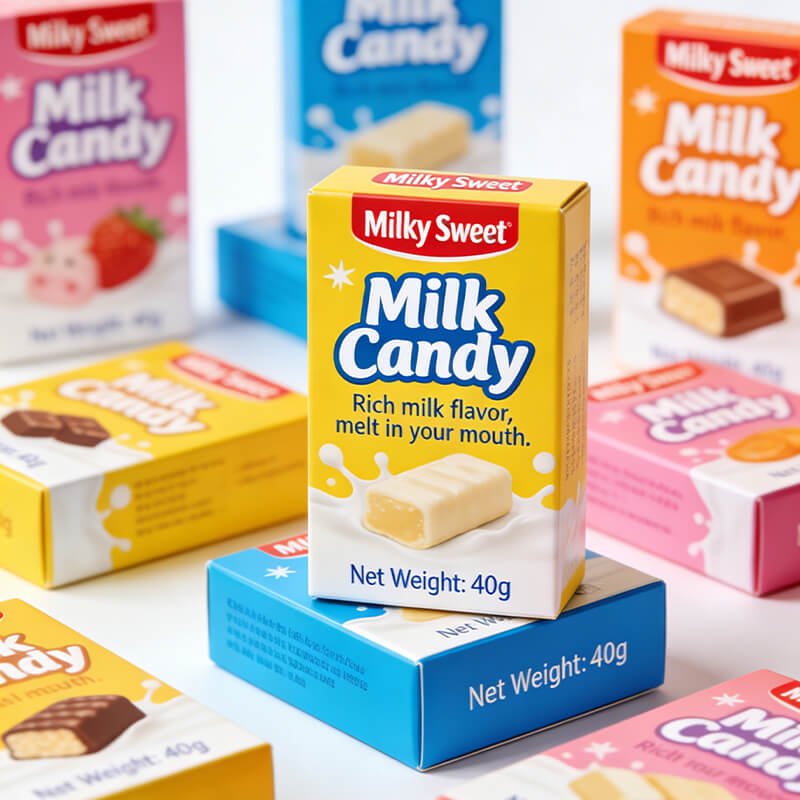
High-quality printing differentiates your snack on crowded shelves. Consider:
- Full-color printing
- Clear product information
- Eco-friendly inks (water-based or soy-based)
Your packaging is your first impression for consumers.
Environmental Considerations
Sustainability is no longer optional. Many consumers now prefer eco-friendly snack packaging options:
- Recyclable paperboard
- Biodegradable or compostable films
- Minimalist packaging to reduce waste
Even B2B buyers are increasingly requesting suppliers that provide sustainable packaging solutions.
So, what is the best type of packaging for snack products?
It depends on:
- Snack type (chips, nuts, bars, baked goods)
- Shelf life and storage conditions
- Retail or e-commerce distribution
- Consumer convenience and sustainability
Flexible pouches, paperboard boxes, single-serve packs, and rigid containers all have their place. The key is to choose the material and design that balances protection, convenience, branding, and environmental responsibility.
Working with an experienced packaging supplier can help you select the right solution, meet FDA or EU food contact requirements, and create packaging that sells.